
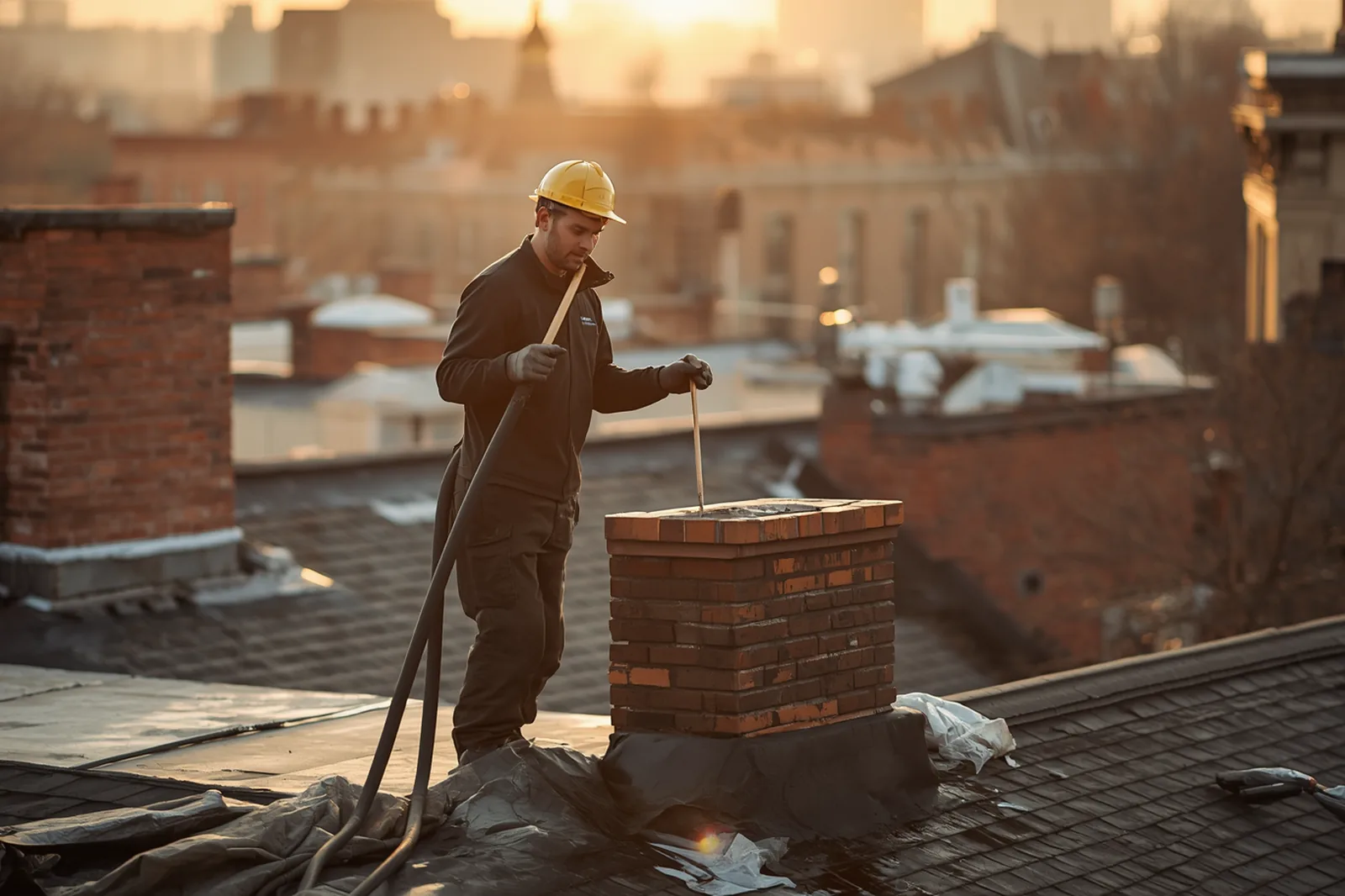
Chimney Sweep in Crown Heights
A proper sweep removes soot and creosote from the firebox to the flue cap and ends with a camera look at what is left behind. Our crew works Crown Heights rowhouses, pre-war co-ops and frame houses with the same drop-cloth discipline.
How often should a Crown Heights chimney be swept?
Sweep a wood-burning flue once a year and sooner if you burn more than a cord or see flaky buildup inside the damper. Gas and oil flues still need an annual sweep and check because acidic condensate and rust scale collect in the liner. In Crown Heights, where many flues are century-old clay tile, yearly sweeping also catches cracked tiles before they become a liner replacement.
When a Crown Heights chimney needs a sweep
Any one of these means the flue is holding material that should not be there. Soot and stage-one creosote are easy to brush out; let them sit through a few more seasons and they glaze, which is a different job. A sweep is the cheapest point in the chimney's life to catch a problem.
- Smoke backing into the room when you light a fire, especially on cold, still nights
- A sharp campfire smell from the fireplace in summer when the flue is damp
- Black flakes or a shiny crust visible on the damper plate or smoke shelf
- A rusted damper that grinds or sticks, a sign that moisture and soot are sitting on it
- You bought the house and have no record of the last cleaning
- Birds, leaves or a nest dropped onto the smoke shelf after a season with no cap
How we sweep a flue in a Brooklyn rowhouse
- Protect the room firstWe lay drop cloths from the front door to the hearth, tape a containment sheet across the fireplace opening, and run a HEPA vacuum on negative pressure before a single rod goes up. In a parlor-floor rowhouse with original floors and plaster, this step is not optional.
- Sweep bottom-up or top-down depending on the flueMost Crown Heights rowhouse flues are tall, narrow clay tile runs with offsets, so we work from the firebox with rotary rods and a brush sized to the tile. On a pre-war apartment building with a flat roof and parapet access, a top-down sweep from the roof is often cleaner and faster.
- Clean the firebox, smoke chamber and damperThe smoke shelf collects most of what falls, so we vacuum it out, brush the smoke chamber walls, and free up the damper. A rusted damper gets wire-brushed and checked for a tight close.
- Camera the flue after sweepingOnce the tile is clean we run a camera up the flue and look at every joint. You see the footage on the spot, and if there is a cracked tile or a missing mortar joint, we show you where rather than describe it.
- Walk you through what we foundYou get a plain explanation of the flue condition, whether it is safe to burn, and what, if anything, should be scheduled. Most sweeps end with nothing more than a clean flue and a date for next year.
Tools and standards for a proper sweep
A sweep is mostly labor and the right brush, but the standards matter. NFPA 211 is the national standard that defines what a chimney service should look at and how inspection levels are set. We follow it on every visit, and the materials we touch during a sweep are the ones already in your chimney: clay flue tile, the damper, and the smoke chamber parging.
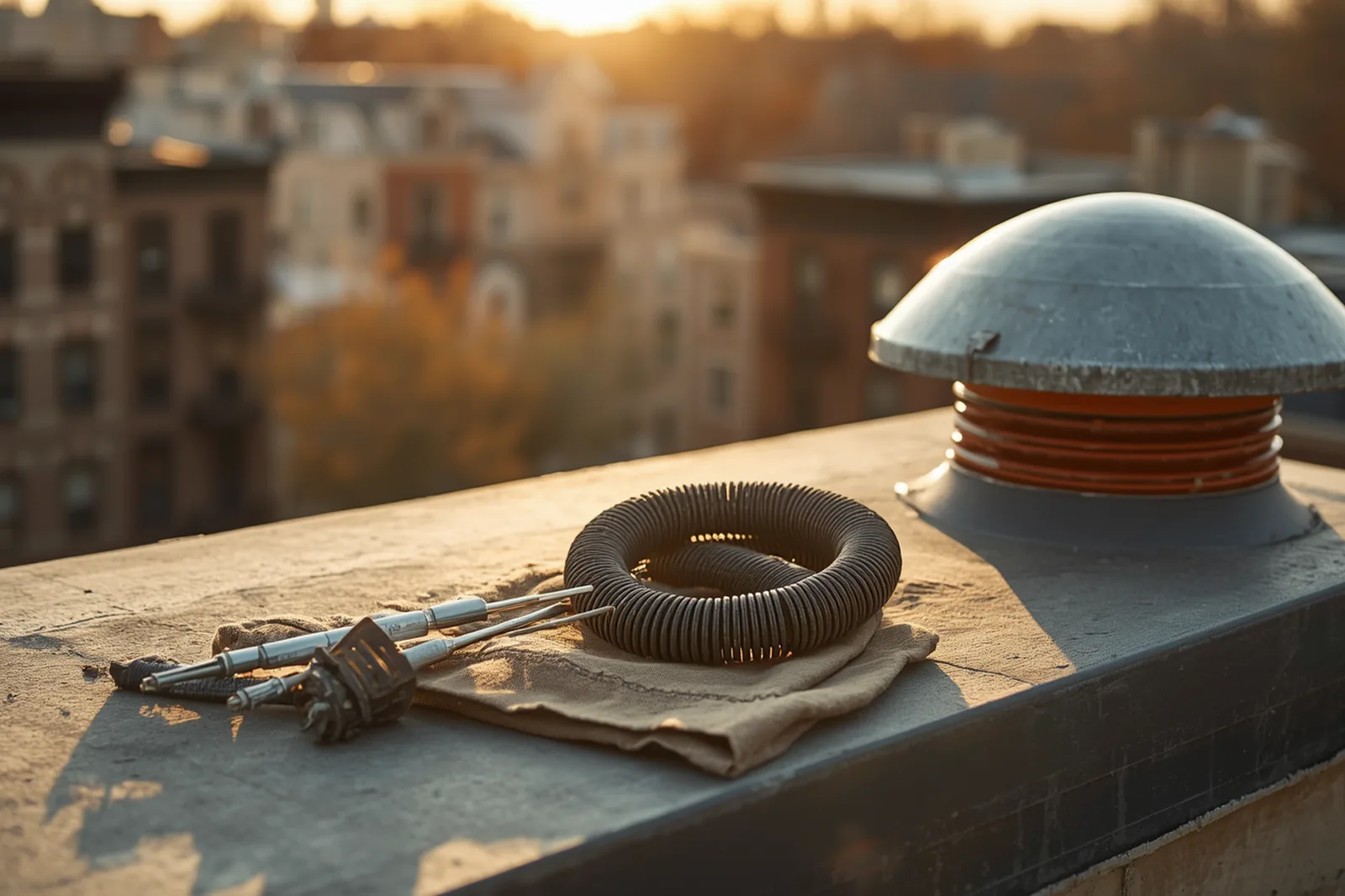
- Rotary rod systems with poly whips for clay flue tile, and steel brushes only where the liner is stainless steel
- HEPA-filtered vacuums rated for fine soot, not shop vacs
- NFPA 211 Level 1 inspection scope as the baseline check during every sweep
- Mirror and camera inspection to confirm clay flue tile joints after cleaning
- Containment sheeting and drop cloths sized for parlor-floor fireplaces
Rowhouses, co-ops and frame houses: what changes
In a limestone or brownstone rowhouse, each fireplace usually has its own flue stacked inside a shared party-wall chimney, so a four-story house can have four or more flues. We sweep each one separately and confirm which flue serves which fireplace, because mixed-up flues are common in buildings that have been renovated several times. The detached Victorian frame houses in the south of Crown Heights often have a single center chimney with a basement furnace flue alongside the fireplace flue.
Pre-war multifamily buildings and co-ops on Eastern Parkway are a different setting. Fireplace flues there are often decommissioned, but the boiler flue and any gas water heater flue still need sweeping because oil soot and gas condensate build up. We coordinate with the super or managing agent for roof access and work from the parapet rather than through apartments where we can.
Representative sweep work in Crown Heights
- Project type
- Annual sweep and Level 1 check on a multi-flue rowhouse
- Area
- Crown Heights, Brooklyn
- Problem
- A recent job type we handle is a four-story limestone rowhouse with three working fireplaces and no service history, where the parlor fireplace smoked on lighting and the top-floor damper was rusted stiff.
- Solution
- We swept all three flues from the fireboxes with rotary rods under containment, cleared nesting debris from the parlor smoke shelf, freed and brushed the damper, then camera-checked each clay tile run plus the stainless steel liner serving the basement boiler, and confirmed the flues were sound before the owner lit the first fire of the season.
- Materials
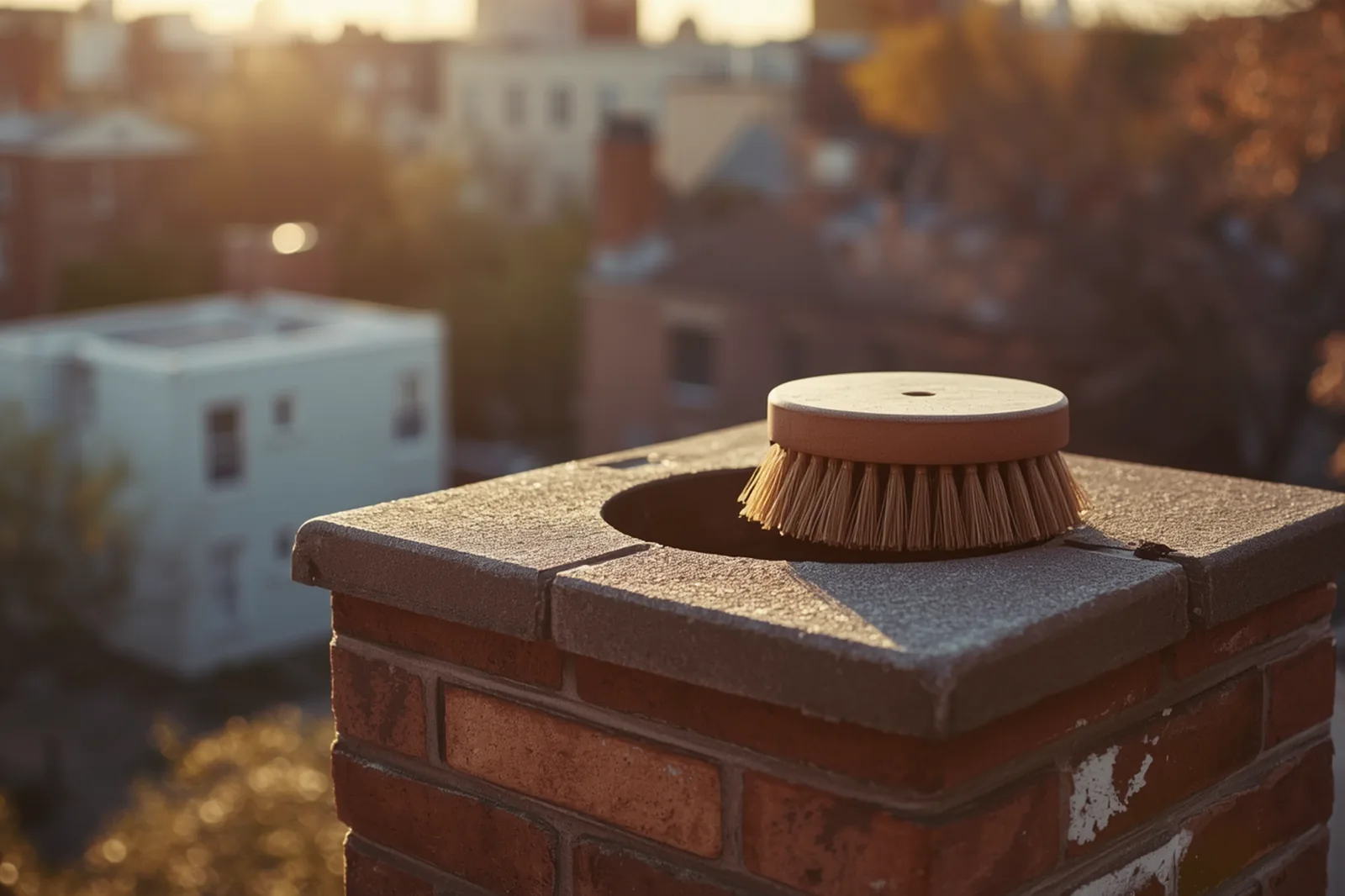
Before and After
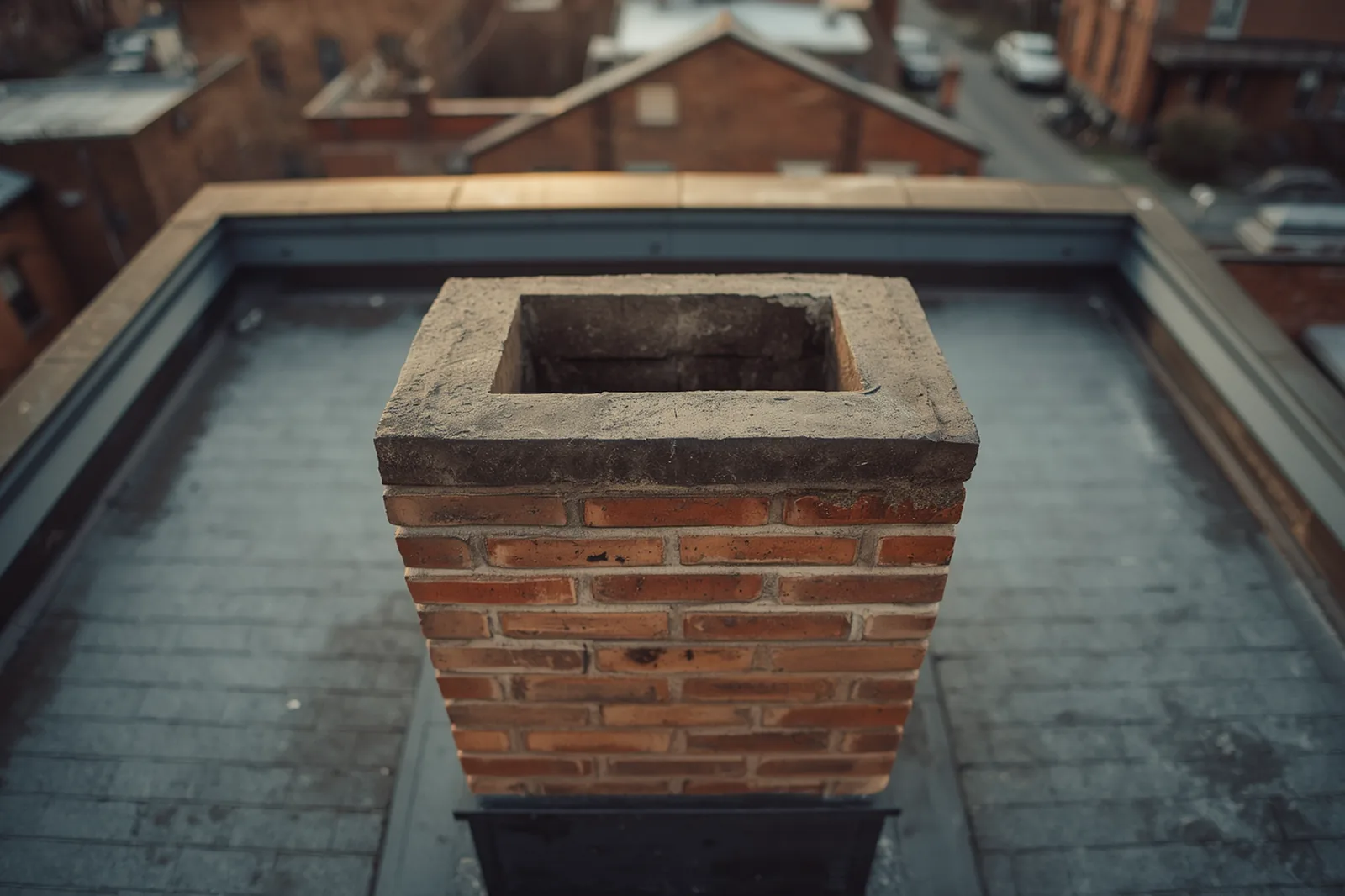
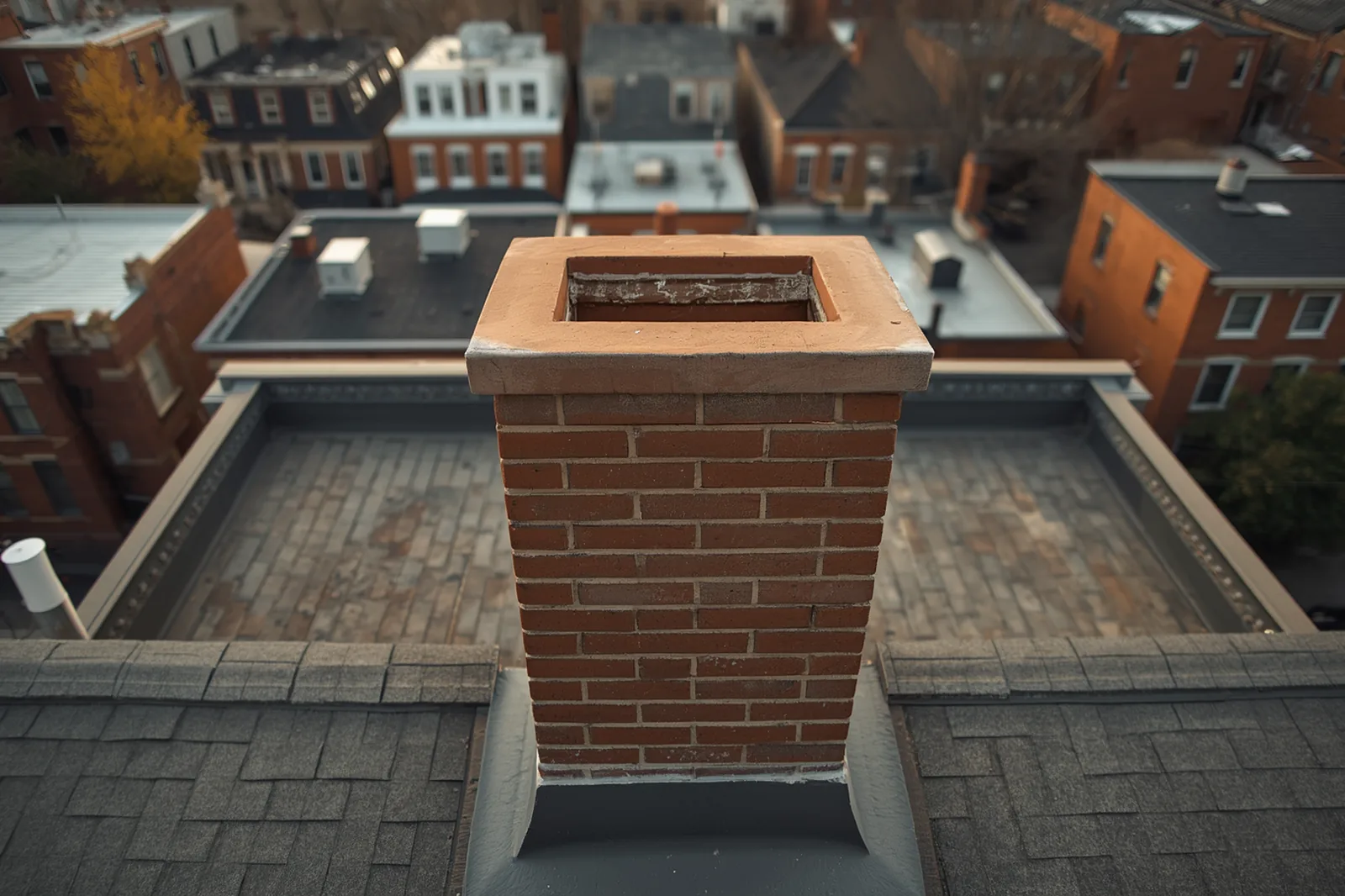
Chimney Sweep Across Our Service Area
Related Services
Why Crown Heights flues load up faster than you expect
Most Crown Heights fireplaces were built when coal was the fuel, so the flues are narrow and tall. A narrow flue runs cooler at the top, and cool flue gas drops creosote on the tile faster. Many of these chimneys also lost their caps decades ago, so rain and nor'easter wind drive moisture down the flue, which makes the soot sticky.
Shared parapet walls between rowhouses mean the chimney stack takes weather from both sides, and spalling brick near the top drops grit onto the smoke shelf. We see this across the limestone blocks and in Prospect Heights and Bedford-Stuyvesant as well, where the housing stock is nearly identical. A yearly sweep is where most of these issues are first spotted.
Frequently Asked Questions
Do gas fireplaces and gas boilers in Crown Heights need a chimney sweep?
Yes, though the deposits are different. Gas burns cleaner than wood, but its exhaust carries water vapor and acids that condense on the flue walls and eat into clay tile and mortar joints. Over time that leaves rust scale, loose tile fragments and sometimes bird nests, since gas flues rarely get hot enough to discourage them. A yearly sweep and check keeps the flue open so carbon monoxide cannot back up into the house.
How messy is a chimney sweep inside a rowhouse?
Done right, you should not find soot anywhere but in our vacuum. We seal the fireplace opening with containment sheeting, run a HEPA vacuum the entire time the rods are moving, and keep drop cloths down from the entry to the hearth. Original wood floors, plaster walls and furniture in a Crown Heights parlor are exactly why we do it this way. If a sweep leaves a dusty film, something was skipped.
Can you sweep a chimney from the roof on a flat-roof building?
Often yes, and on pre-war apartment buildings it is the preferred method. Flat roofs with parapet walls give safe footing at the chimney, and a top-down sweep lets debris fall to the smoke shelf or cleanout where we vacuum it. We still protect the fireplace or boiler room below. For a tall rowhouse without a roof hatch, we usually work from the firebox instead.
What happens if you find a cracked flue tile during the sweep?
We show you the camera footage and mark where the crack is. A single hairline crack in a clay flue tile is not an emergency, but open cracks or missing mortar between tiles mean heat and gases can reach the brick and framing. In that case we recommend stopping use of that fireplace until a Level 2 inspection confirms the extent, and the usual fix is a stainless steel flue liner. You decide the timing; we give you the facts.
What is the best time of year to book a sweep in Brooklyn?
Late spring through early fall, when fireplaces are idle and the schedule is open. A sweep after the burning season also removes acidic creosote before summer humidity turns it into a smell problem. If you wait until the first cold snap, you are competing with every other household on the block. We offer same-week appointments through most of the year.
What drives the cost of a chimney sweep?
The number of flues, access, and what we find. A single straight flue with firebox access is the simplest job. Multiple flues in a four-story rowhouse, a roof-only approach, heavy stage-two creosote, or a blockage all add time. We quote before we start and tell you if the condition of the flue changes the scope.
Book a sweep before the burning season
Call (347) 555-0188 for a same-week appointment in Crown Heights and the surrounding blocks. We arrive with drop cloths and a camera, and we leave the room the way we found it.