
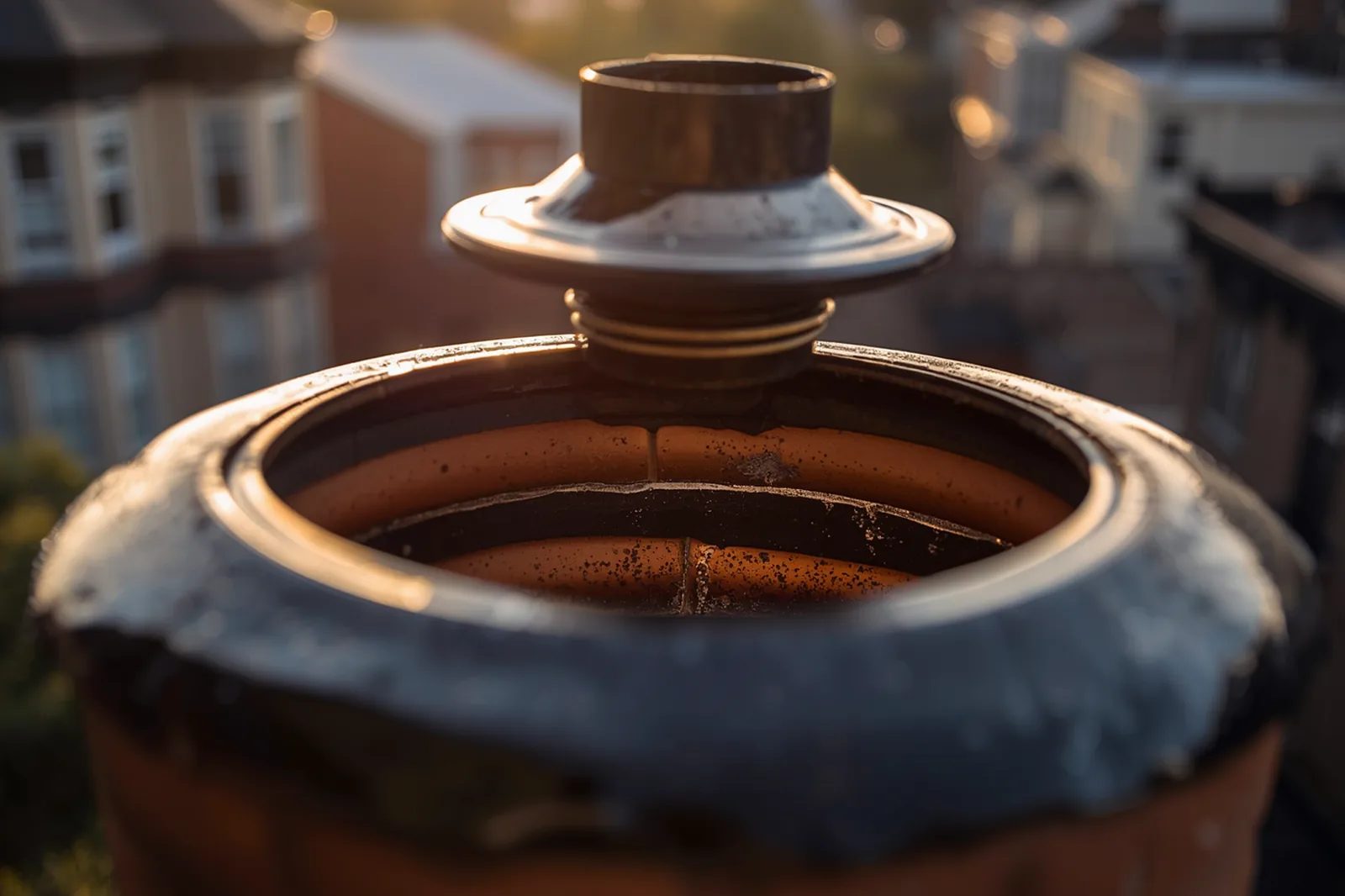
Creosote Removal in Crown Heights
Glazed creosote does not brush out. When a Crown Heights flue has a shiny, tar-like coating, we use chemical treatment and mechanical chain or whip systems to break it down and remove it without damaging the clay tile.
How do I know if my chimney has dangerous creosote buildup?
Shine a flashlight above the damper. Flaky black soot is stage one and sweeps out easily. Crunchy, tar-like flakes that look like burnt cornflakes are stage two. A shiny, hardened glaze that looks like black glass is stage three, which is the fuel for a chimney fire. Any glaze thicker than a coin edge, or a strong tar smell in summer, means book removal before you burn again.
When a Crown Heights chimney needs creosote removal
Creosote is condensed, unburned wood smoke. Stage one brushes out during a normal sweep. Stage two and three form when smoke cools on the flue walls, which happens quickly in the tall, narrow, unlined flues of this neighborhood, and both need more than a brush.
- A shiny black glaze on the flue walls or damper that a brush slides over without lifting
- Hard, bubbled or drip-shaped deposits visible at the top of the firebox
- A heavy tar smell from the fireplace on humid summer days
- Puffing or roaring sounds during a fire, or a previous small chimney fire
- Years of burning unseasoned or softwood in a fireplace that was rarely cleaned
- A slow-burning wood stove or insert vented into an oversized clay tile flue
- Brown or black staining bleeding through the chimney breast plaster on an upper floor
How we remove glazed creosote from a rowhouse flue
- Assess the stage and the flue typeWe camera the flue first to see how thick the glaze is, how far up it runs, and whether the clay flue tile underneath is already cracked. Removal methods that are fine on sound tile can be too aggressive on a flue that is already failing.
- Chemical pre-treatmentFor stage three glaze we apply a creosote modifier, a powder or spray that reacts with the glaze over several burns or several days and turns it brittle. On a fireplace that is not in use we apply it directly to the flue walls from above or below and allow it to work.
- Mechanical removal under containmentWith the room sealed and a HEPA vacuum running, we run rotary rod systems with chains or heavy poly whips sized to the flue. Chains knock glaze off clay tile; we never use them inside a stainless steel liner, where a stiff brush and chemical treatment do the work.
- Clean the smoke chamber and smoke shelfGlaze builds thickest in the smoke chamber, where the flue narrows and smoke slows. We scrape and vacuum this area by hand and check that the parging has not been burned away.
- Re-camera and adviseAfter removal we run the camera again, show you the clean tile, and point out any damage the creosote was hiding. If the flue is sound, we talk about burning habits so the glaze does not come back. If it is not, we discuss relining.
Treatments and tools for creosote, not just brushes
The right method depends on the liner. Clay flue tile tolerates chain and whip systems; a stainless steel flue liner does not. The chemical side is about creosote modifiers that change the glaze from a tar to a brittle ash, and they are used alongside mechanical removal, not instead of it.
- Creosote modifier powders and sprays applied before mechanical removal of stage three glaze
- Rotary rod systems with chain heads for glazed clay flue tile
- Heavy poly whips and stiff brushes for stage two deposits and for any flue with a stainless steel flue liner
- HEPA vacuums under negative pressure for fine creosote dust, which is more irritating than ordinary soot
- NFPA 211 Level 2 inspection after any suspected chimney fire, since glaze and fire damage often appear together
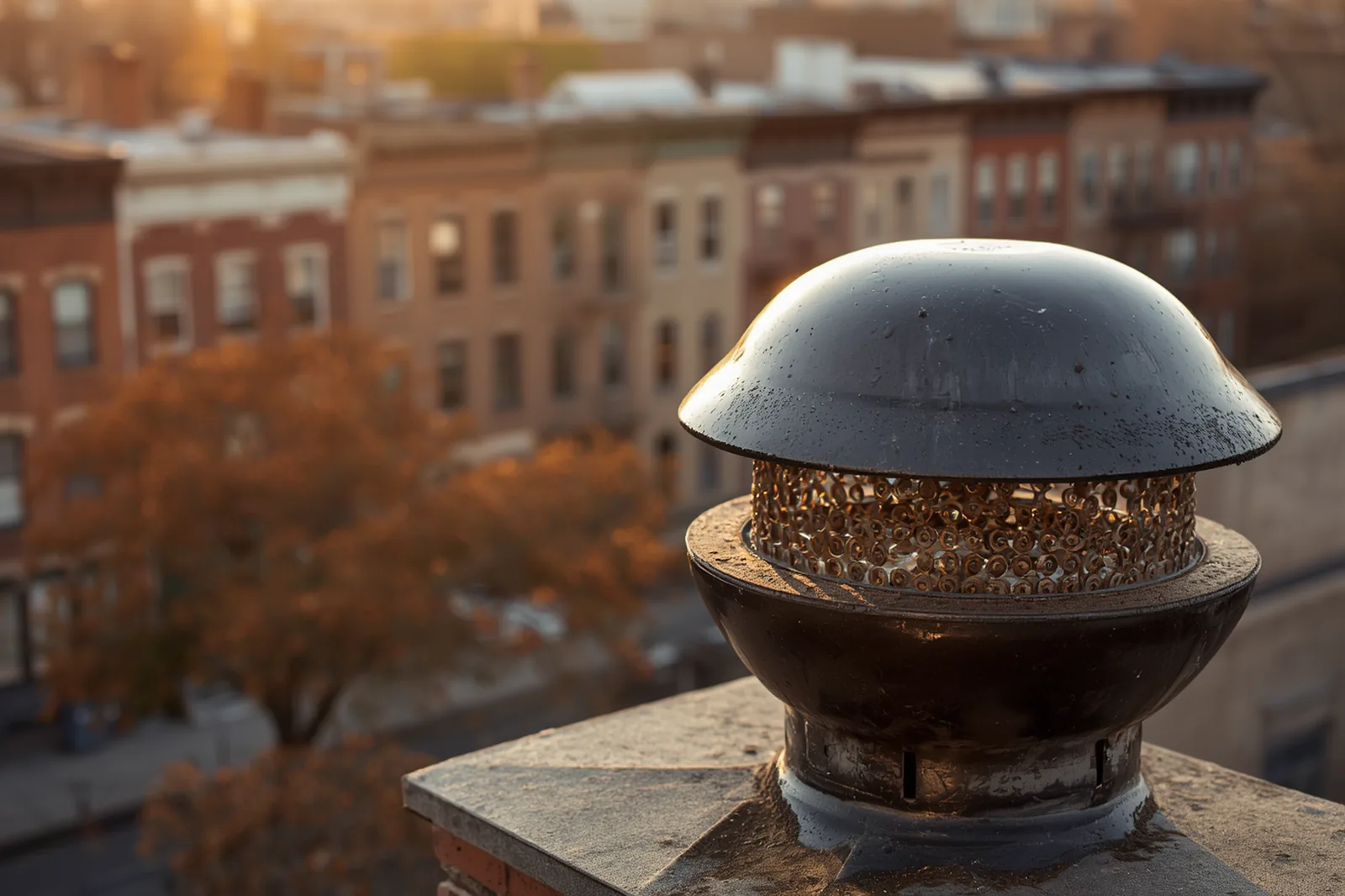
Fireplaces, wood stoves, and the flues that feed them
Open fireplaces in Crown Heights rowhouses tend to build stage two creosote slowly because the fire burns hot and fast with plenty of air. The glaze problem shows up most in houses where someone installed a wood stove or insert and vented it into the original oversized clay flue. The stove burns slow and cool, the big flue cools the smoke further, and glaze builds up in a few seasons. Removing it is step one; the lasting fix is a correctly sized liner for the stove.
Pre-war multifamily buildings rarely have working wood fireplaces, so creosote work there is uncommon and usually relates to a single apartment with a grandfathered fireplace. Where we do find it, the flue often shares a chimney mass with the boiler flue, which raises the stakes of a chimney fire. Oil and gas appliances do not produce creosote in the wood-smoke sense, though oil soot has its own removal needs.
Representative creosote work in Crown Heights
- Project type
- Stage three creosote removal from a wood stove flue
- Area
- Crown Heights, Brooklyn
- Problem
- A recent job type we handle is a Victorian frame house in southern Crown Heights where a wood stove insert had been vented into the original clay tile fireplace flue for years, leaving a glass-hard glaze through the smoke chamber and the lower half of the flue, with a tar smell every summer.
- Solution
- We applied a creosote modifier over several days, then removed the brittle glaze with a chain head on rotary rods under HEPA containment, scraped the smoke chamber by hand, and re-cameraed the flue. The tile was intact but far oversized for the insert, so we recommended a correctly sized stainless steel flue liner to stop the glaze from returning.
- Materials
Before and After
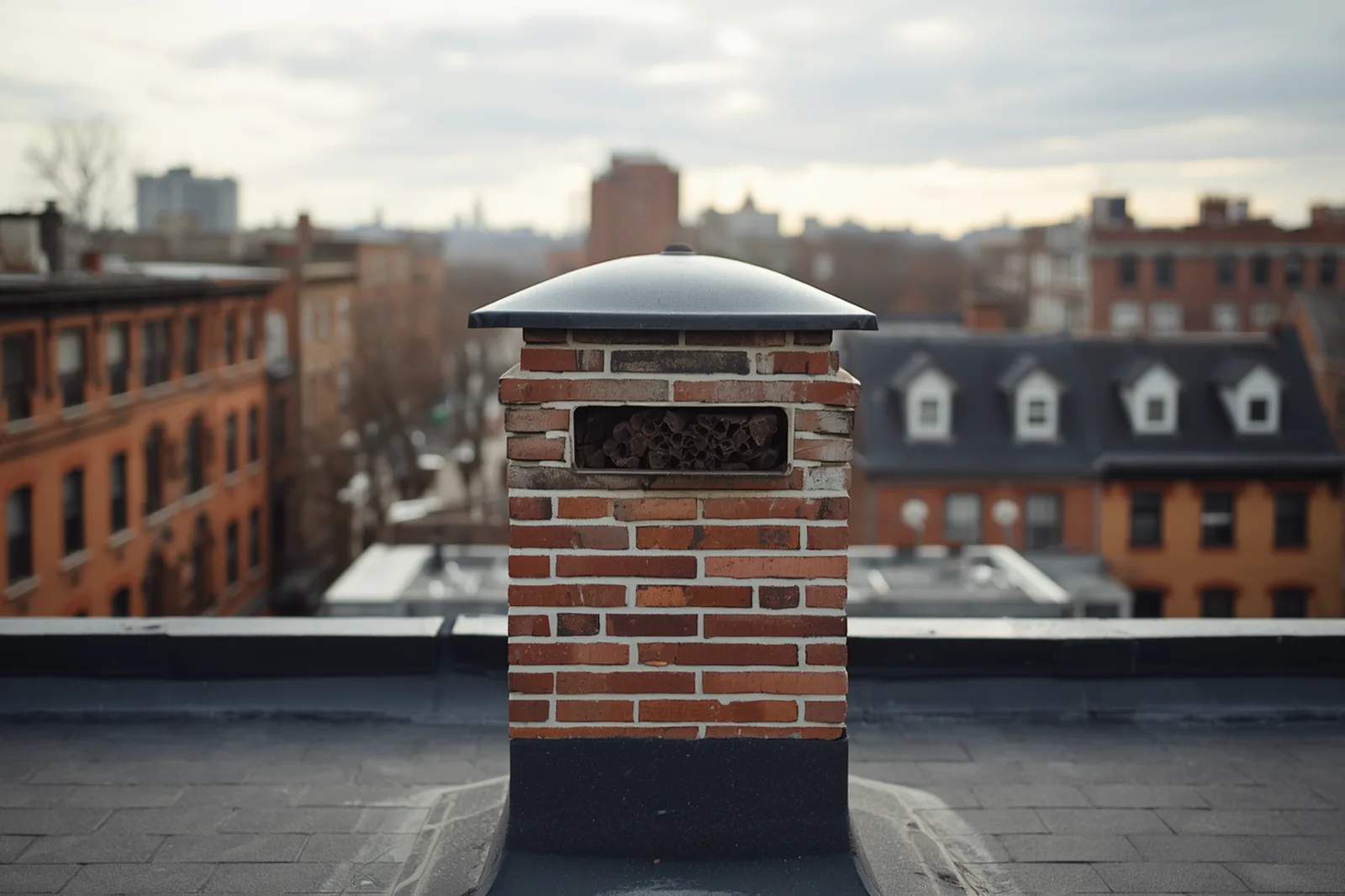
Creosote Removal Across Our Service Area
Related Services
Why glaze is common in Crown Heights fireplaces
The limestone rowhouses here were built with narrow flues designed for coal grates, and most fireplaces were later opened up for wood. Wood smoke in a cold, narrow, unlined flue condenses fast, and Brooklyn winters give long stretches where the brick stack above the roof never warms up. Add an uncapped flue taking nor'easter rain and you get damp creosote that glazes rather than flakes.
Many of these houses have also changed hands several times, and the burning history is unknown. We see the same pattern in Bedford-Stuyvesant and Clinton Hill rowhouses. A camera look at the first visit tells us what the previous decades left behind.
Frequently Asked Questions
Can I remove creosote myself with a chimney cleaning log?
Those logs contain a creosote modifier that can help loosen light deposits, and they are fine as a supplement between sweeps. They do not remove anything. The loosened material still has to be swept out, and stage three glaze is barely affected by a single log. Treat them as a maintenance aid, not a cleaning, and have the flue camera-checked if you suspect glaze.
Is glazed creosote really a fire risk if I only burn a few times a year?
Yes. Stage three creosote is concentrated fuel, and it ignites when flue temperatures spike, which can happen during an ordinary hot fire with dry wood. A chimney fire in a tall rowhouse flue can crack clay tiles and push heat into the framing behind the chimney breast. Burning rarely does not reduce the risk of the deposit that is already there.
Will chain or whip removal damage my clay flue tiles?
Not when the flue is sound and the tool is matched to it. We camera the flue before choosing a head, and we use the lightest method that works. Chain heads are reserved for hard glaze on intact tile. If the tile is already cracked or spalled, we treat the glaze chemically and use softer whips, then talk about relining because the flue has a bigger problem than creosote.
How can I keep creosote from coming back?
Burn seasoned hardwood only, keep fires hot rather than smoldering, and open the damper fully. If you have a wood stove or insert, make sure it vents through a liner sized to the appliance, not the original oversized flue. Get a yearly sweep so deposits never get past stage one. A cap on the flue also keeps rain out, and dry flues glaze less.
Does creosote removal include an inspection?
A camera look before and after is part of how we do the job, because we need to see the stage of buildup and confirm the tile underneath. That is not the same as a full Level 2 inspection with a written report. If there has been a chimney fire or you need documentation, we can run the Level 2 at the same visit.
What drives the cost of creosote removal?
The stage of buildup and the length of flue it covers. Stage two in a short flue is close to a heavy sweep. Stage three glaze over a tall rowhouse flue needs chemical pre-treatment, possibly a return visit, and slower mechanical work. Any damage found underneath is quoted separately. We explain the plan and the figure before we start.
Guides on this topic
Creosote Stages 1, 2 and 3: What Each One Means for a Wood-Burning Fireplace
Creosote starts as loose soot a brush removes, hardens into crunchy tar that needs a rotary head, and ends as a glossy glaze that only chemical treatment and…
Read the guide →
How Often Should a Crown Heights Rowhouse Chimney Be Swept?
Have every flue inspected once a year and swept whenever that inspection finds soot at the thickness NFPA 211 and CSIA flag, or any glaze at all, which…
Read the guide →Get the glaze out before the next fire
Call (347) 555-0188 for creosote removal in Crown Heights and nearby Brooklyn neighborhoods. We camera the flue first and tell you exactly what stage you are dealing with.