
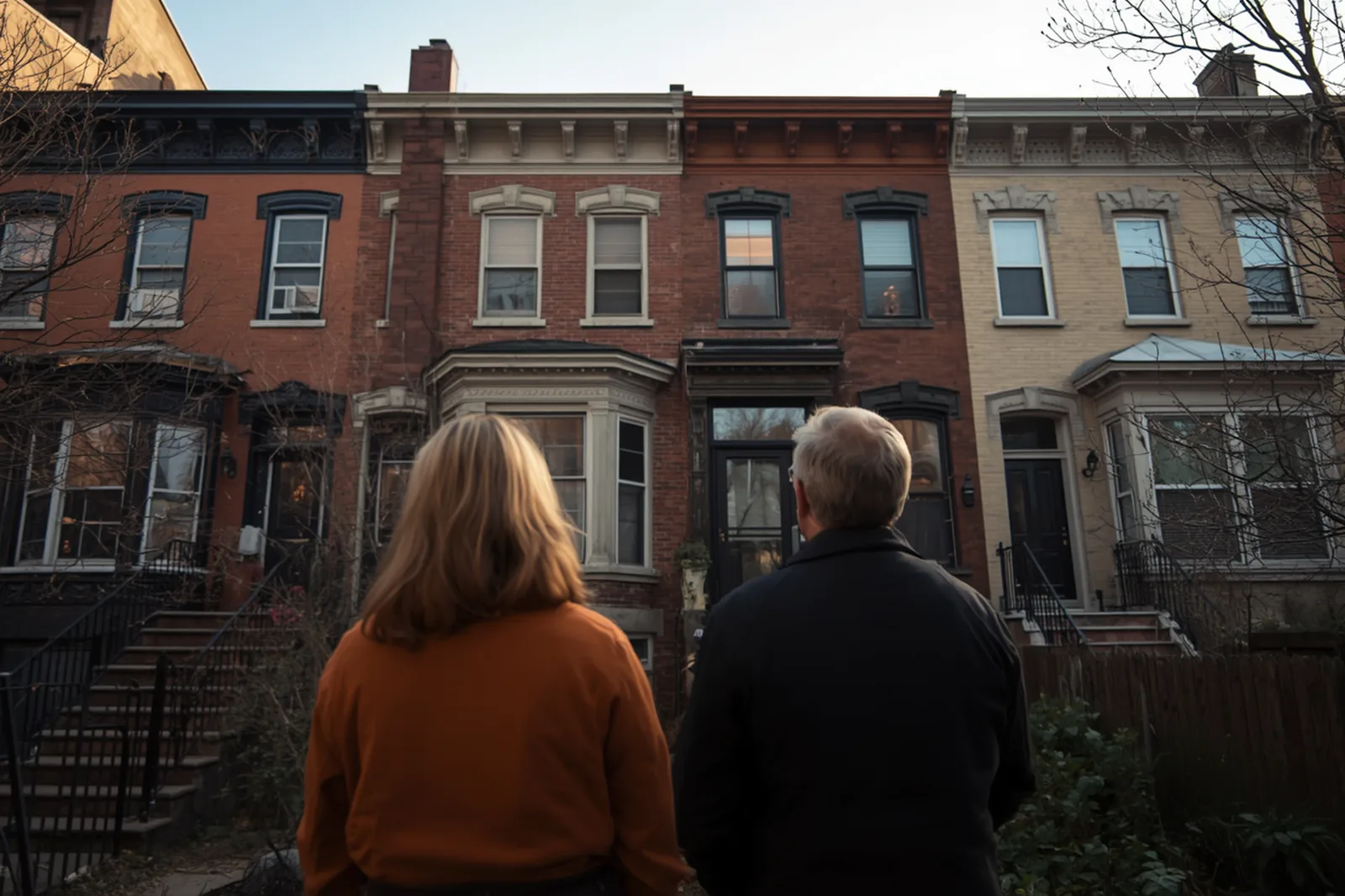
Chimney and Masonry FAQ for Crown Heights Homeowners
The questions below come from rowhouse owners, co-op boards and landlords around Eastern Parkway. The answers are the same ones we give on the roof.
How often should a chimney be cleaned in Crown Heights?
Once a year is the baseline for any chimney in use, and more often if you burn wood regularly or notice a tarry smell or smoke drifting back into the room. Gas boiler flues in Crown Heights buildings need an annual inspection even though they produce little soot, because acidic condensate attacks the clay tile and mortar. The best time is late summer, before heating season starts.
How to Use This Page
These answers are grouped loosely by theme: safety first, then how often to service, inspection levels, building and ownership situations, gas versus wood, cost drivers, scheduling and what our reports contain. If your question is not here, call and ask. We would rather answer it in two minutes than have you guess.
Frequently Asked Questions
Is it safe to use my fireplace if it has not been inspected in years?
Not until someone has looked inside it. An unused flue in an old rowhouse can hold fallen clay flue tile, bird nests, decades of creosote or a mortar gap that lets smoke into the flue next to it. None of that is visible from the hearth. Have the flue swept and inspected first, and if you are reopening a sealed fireplace, ask for a Level 2 camera inspection before the first fire.
What are the warning signs that a chimney needs attention right away?
Smoke backing into the room, a strong tarry smell, water stains near the fireplace or on an upper ceiling, white efflorescence or flaking brick faces on the stack, and any visible lean or loose brick above the roofline. Smoke and smell are the fire and carbon monoxide signs and deserve a call the same week. The water and masonry signs are slower but get more expensive every winter they are ignored.
How often should a chimney be swept and inspected?
Annually for any flue in service, wood or gas. If you burn wood most evenings through the winter, a mid-season check is worth it because creosote builds faster than most people expect. Boiler and water heater flues produce little soot but still need an annual inspection for condensate damage and blockages. A flue that has not been used at all still benefits from a look every few years, since water and animals do not wait for a fire.
What is the difference between a Level 1 and a Level 2 chimney inspection?
A Level 1 is a visual inspection of the accessible parts of the chimney and is appropriate for a system in regular use with no changes and no known problems. A Level 2 includes everything in a Level 1 plus a video scan of the full flue interior and inspection of accessible attics, cellars and crawl spaces the chimney passes through. A Level 2 is the right call when a property is sold, when the fuel or appliance changes, or after a chimney fire or building event.
I am buying a rowhouse in Crown Heights. What should I ask for?
A Level 2 inspection of every flue in the building, with a written report and camera stills, before you close. A general home inspector will look at the firebox and maybe the roof, but will not scan the flue, and the flue is where the expensive problems hide. The report should map which flue serves which appliance, note the condition of the tile and joints, and photograph the crown and flashing. Use it to negotiate, not to be surprised by later.
Our co-op board wants the boiler chimney looked at. How does that work?
We coordinate with the super or managing agent for roof and boiler room access, provide certificates of insurance before the visit, and schedule around the building's quiet hours. The inspection covers the stack from the boiler breeching to the cap, with photographs of the crown, flashing, parapet-side joints and flue interior. The report is written for a board to act on: safety items, water items and maintenance items, each with a plain explanation.
I am a landlord. Am I responsible for the chimney in my tenant's apartment?
In practice, yes. The flue, crown, cap and flashing are building systems, and a flue that leaks smoke or carbon monoxide into a rented unit is the owner's problem regardless of who lit the fire. If your building has working fireplaces in rental units, have them inspected annually and keep the reports. If you would rather tenants not use them, have the flues inspected anyway and the openings properly closed off rather than just told not to.
Does a gas appliance really need its chimney serviced?
Yes, for a different reason than wood. Gas burns clean but its exhaust is wet and acidic, and in an old clay or brick flue that condensate dissolves mortar joints and spalls the tile from the inside. Pieces fall and block the flue, and a blocked gas flue puts carbon monoxide into the house with no smoke to warn you. An annual inspection catches this, and most older gas flues around here eventually need a stainless steel liner sized to the appliance.
What actually drives the cost of chimney repair?
Height and access first: a stack on a six-story Eastern Parkway building costs more to reach and work on than one on a two-story frame house. Then the extent of the damage, since repointing a few top courses is a different job from rebuilding above the roofline. Then what the flue serves, because liner size and insulation follow the appliance. Materials matter too; copper flashing and a reclaimed brick match cost more than tar and whatever brick is on the truck, and they last proportionally longer.
Why do you need to inspect before quoting? Can you not just give me a price?
Because the price depends on what is inside the flue and on top of the stack, and neither is visible from the sidewalk. Two chimneys that look identical from the street can differ by a cracked crown, a leaning top course or a flue full of broken tile. Quoting blind means either padding the number to cover surprises or coming back for more money later. We would rather inspect, show you the photos and quote the actual work.
When is the best time of year to book, and how far out are you?
Spring and early summer are the quiet months and the easiest time to get a convenient slot for sweeps, inspections and masonry. Late summer is ideal for pre-season sweeps. Once the first cold week hits, everyone remembers their fireplace at once. We keep same-week appointments open for the neighborhood and nearby year-round, and urgent calls, meaning leaks, smoke or an unstable stack, go to the front of the line in any season.
What is in the written report you leave after an inspection?
Photographs of the firebox, damper, smoke chamber, flue interior, crown, cap and flashing, dated and labeled. A short written description of the condition of each, separated into safety issues, water issues and items that can wait, with a plain explanation of why each one matters. If repairs are recommended, the report says what we would do and in what material, so you can compare it against any other quote line by line.
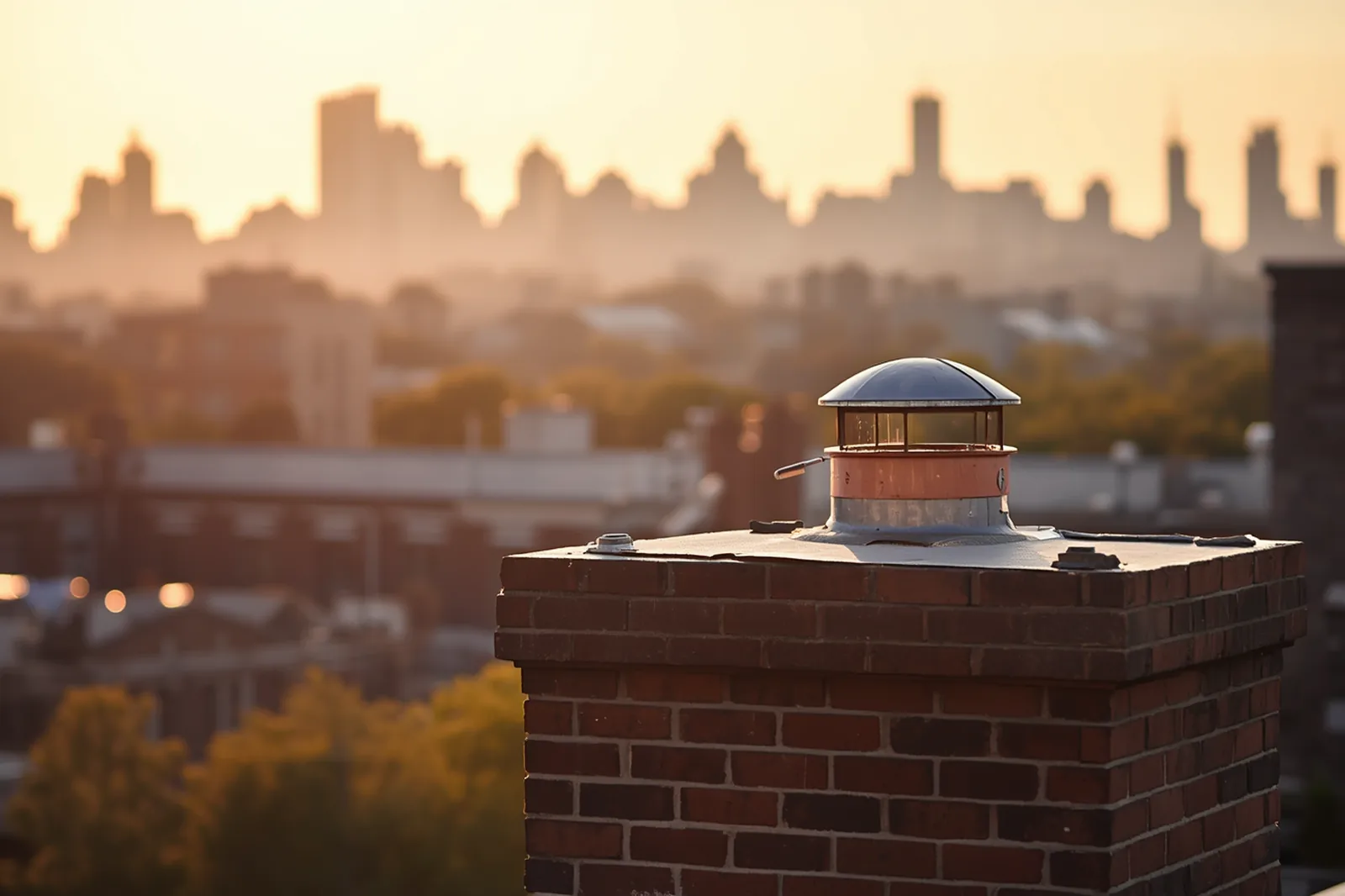
Still Have a Question About Your Chimney?
Call (347) 555-0188 or email [email protected]. We answer chimney questions for Crown Heights homeowners, boards and landlords Monday through Saturday.