
Chimney Liner Installation in Crown Heights
When the clay tile in a century-old flue has cracked, or a new gas boiler needs a correctly sized vent, a stainless steel liner gives the chimney a continuous, sealed path again. We size, insulate and terminate liners for rowhouses and pre-war buildings across Crown Heights.
Do I need a chimney liner when converting from oil to gas?
Almost always, yes. Gas appliances produce cooler exhaust with more water vapor than oil, and the original clay tile flue is usually oversized for the new unit. Cool, slow gas condenses in the flue, and the acidic condensate breaks down clay tile and mortar. A stainless steel liner sized to the appliance keeps the exhaust moving and protects the masonry, and most inspectors require it for the conversion.
When a Crown Heights chimney needs a liner
A flue has one job: carry combustion gases out of the house in a continuous, sealed channel. When clay tile cracks or the flue is wrong-sized for the appliance, that channel is broken, and heat, carbon monoxide and acidic condensate reach the brick and the rooms around it. A liner restores the channel without rebuilding the chimney.
- A camera inspection found cracked, shifted or missing clay flue tiles
- The boiler or water heater is being converted from oil to gas
- A wood stove or insert is vented into the original oversized fireplace flue
- Pieces of clay tile or mortar have landed on the smoke shelf or in the boiler cleanout
- Brown staining or a sour smell bleeding through plaster on the chimney breast
- The flue was never lined at all, which is common in the oldest rowhouses
- After a chimney fire, even if the tile looks intact from below
How we reline a flue in a rowhouse or pre-war building
- Inspect and measureWe camera the existing flue to confirm the failure, find offsets, and measure the full length and the tightest cross-section. The appliance's input rating and the flue height determine the liner diameter; we size by the appliance manufacturer's venting tables, not by what fits easily.
- Prepare the flueLoose tile fragments, mortar and creosote are removed so the liner can pass and so nothing sharp sits against it. In a flue with a severe offset or broken tile that blocks the path, we may need to open a small section of the chimney breast, which we plan with you in advance.
- Insulate the liner where it mattersFor wood-burning flues and most exterior-wall chimneys, the liner gets an insulation wrap or a poured insulation around it. Insulation keeps flue gases hot so they draft properly and condense less, and it is required for the liner's listing on solid fuel. Gas boiler liners inside an interior stack often do not need it.
- Pull the liner from the roofFrom the flat roof or parapet, we lower a pull cone and feed the liner down while a crew member guides it from the firebox or boiler room. The liner is cut to length, connected to the appliance with the correct adapter or tee, and the bottom is sealed to the firebox or thimble.
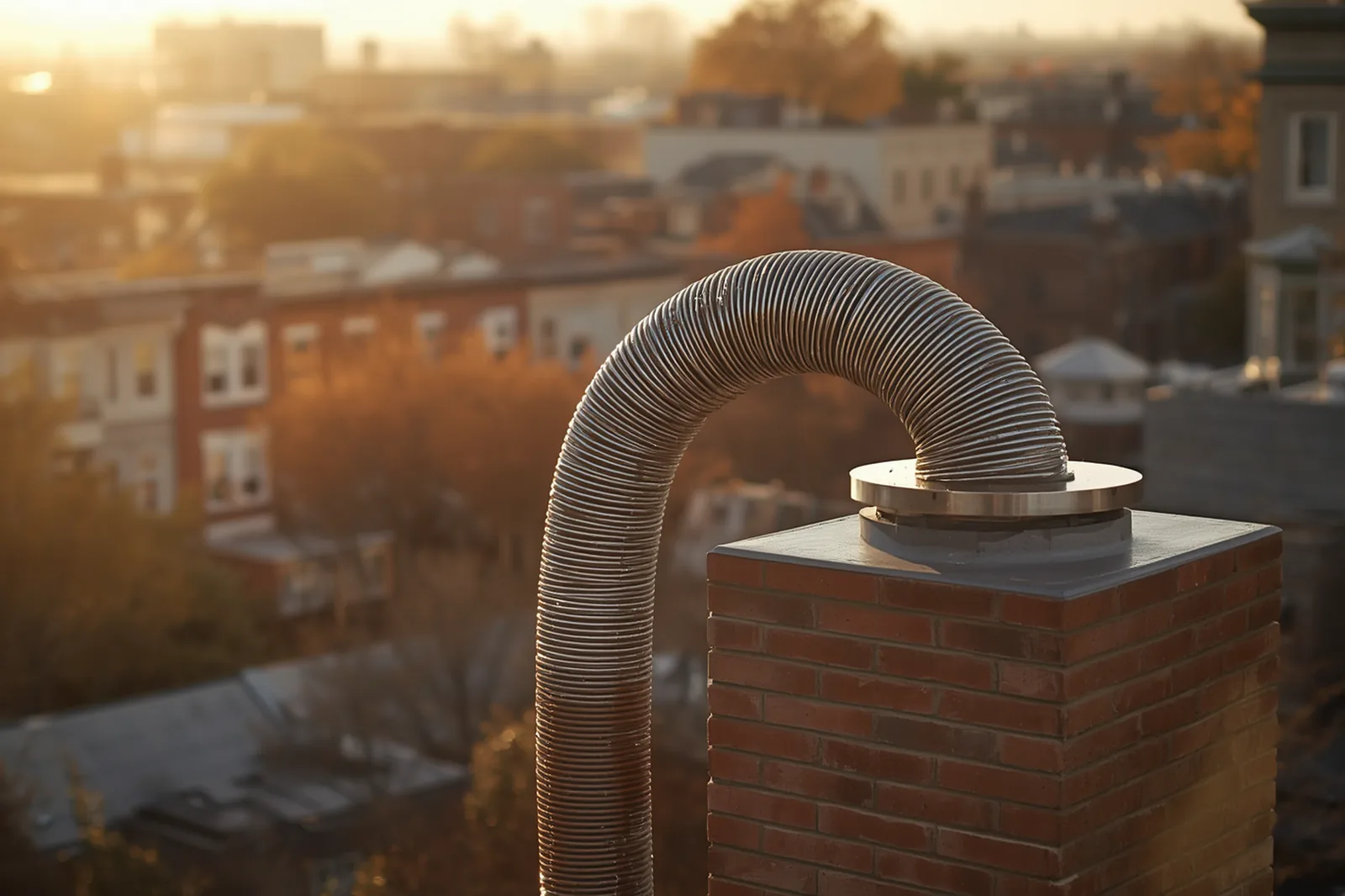
- Terminate at the topA stainless top plate is sealed to the crown, the liner is clamped to it, and a matching stainless cap goes on. The old clay tile opening around the liner is sealed so water cannot run between the liner and the masonry.
- Test and documentWe fire the appliance, confirm draft and check for spillage at the connection, and photograph the top, bottom and connections. For a gas conversion, we provide the documentation the inspector or expediter needs.
Liner types and when each is right
Not every stainless liner is the same, and the alloy, wall type and insulation have to match the fuel. We specify the liner for the appliance in front of us, and we tell you why. Aluminum liners exist for some gas applications, but we do not use them in masonry chimneys here because they do not survive the acidic condensate in a cool Brooklyn stack.
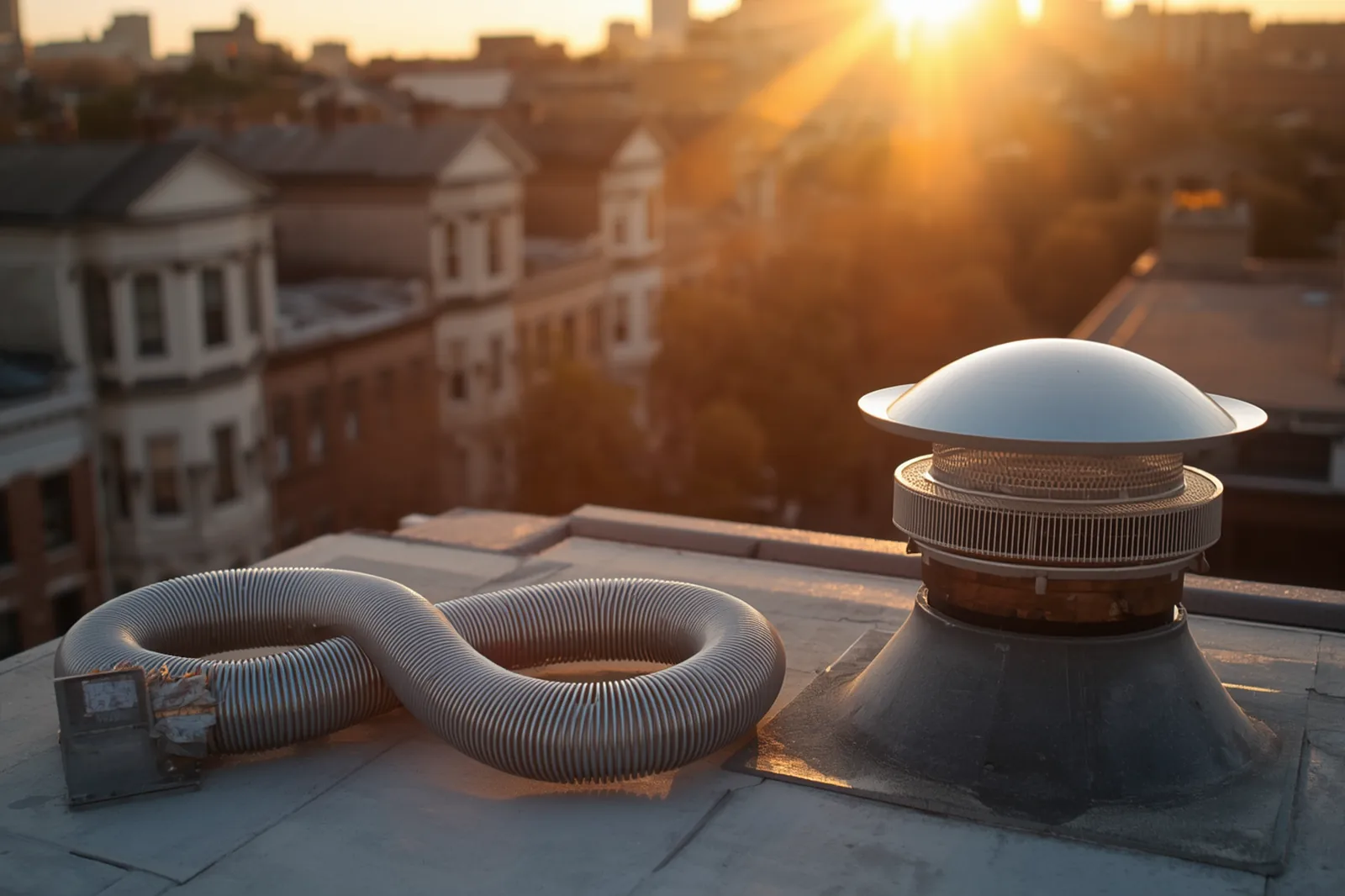
- Flexible stainless steel flue liner in a 316 grade alloy for wood-burning fireplaces, stoves and oil appliances
- Flexible stainless steel flue liner suitable for gas appliances, sized from the appliance's venting tables
- Rigid stainless sections for straight runs where a smooth interior improves draft and cleaning
- Insulation wrap or poured insulation rated for the liner's solid-fuel listing
- Stainless top plates, clamps and caps so the entire termination is one corrosion class
- Stainless tees with cleanout caps for boiler and water heater connections
- Type N mortar or high-temperature sealant to close the old tile opening around the liner at the crown
Fireplaces, boilers, and shared pre-war stacks
In a Crown Heights rowhouse, a liner usually goes in for one of two reasons: a camera found broken clay tile in a fireplace flue, or a wood insert needs a correctly sized vent. The flues are tall and often jog around neighboring flues, so we camera for offsets first and choose a flexible liner that can follow them. Where several fireplace flues share a stack, each gets its own liner; liners are never combined.
In the pre-war multifamily buildings along Eastern Parkway, liners are mostly boiler and water heater work tied to gas conversions. The boiler flue is large and may serve both appliances through a common vent, which requires the liner to be sized for the combined load per the venting tables and the local code. We coordinate with the heating contractor, the building's super and the inspector, and we provide the liner documentation for the filing.
Representative liner work in Crown Heights
- Project type
- Stainless liner install for a gas conversion
- Area
- Crown Heights, Brooklyn
- Problem
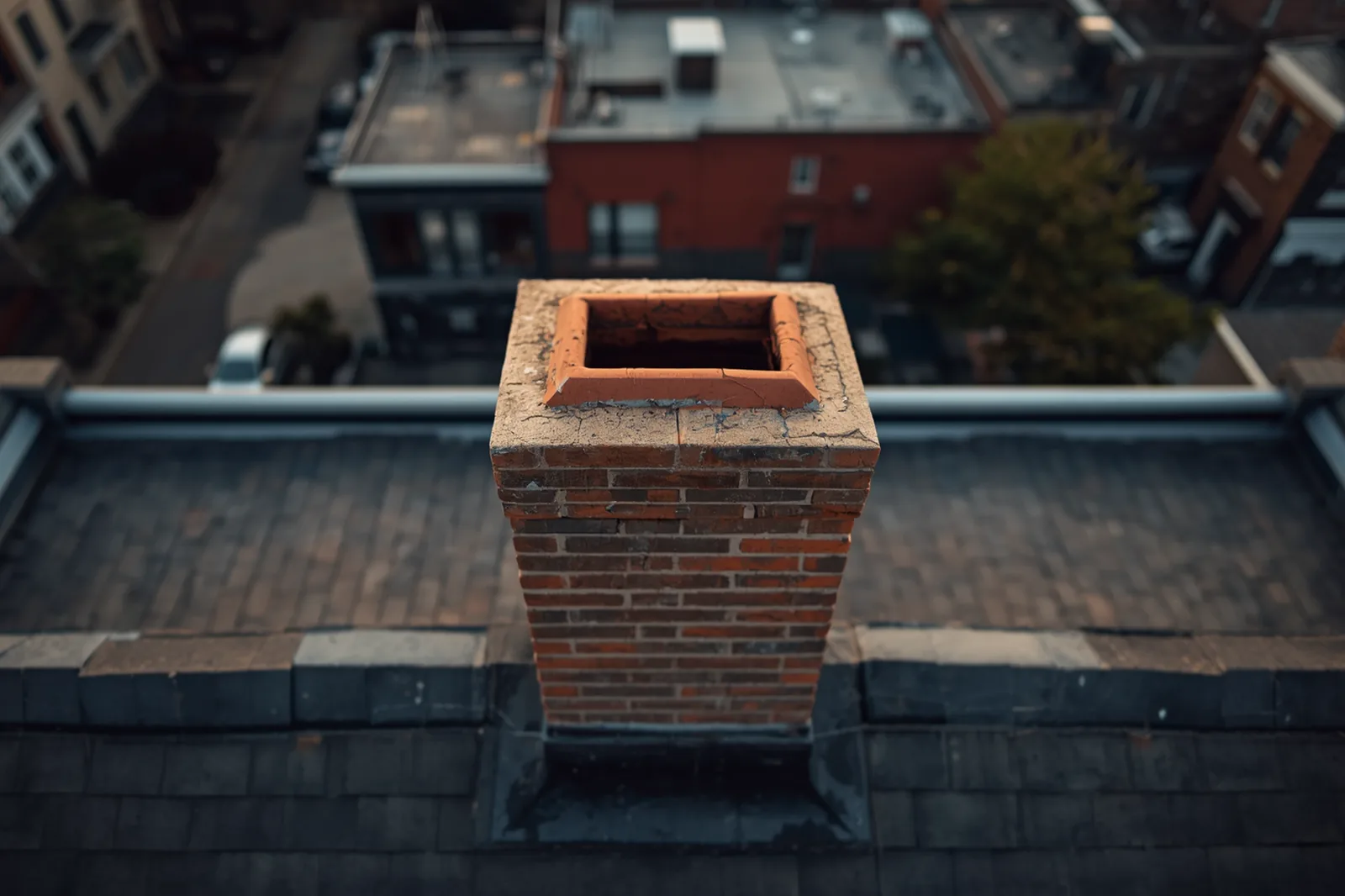
- A recent job type we handle is a brick two-family rowhouse where the owner replaced an oil boiler with a gas unit and the inspector required the oversized, cracked clay tile boiler flue to be relined before sign-off.
- Solution
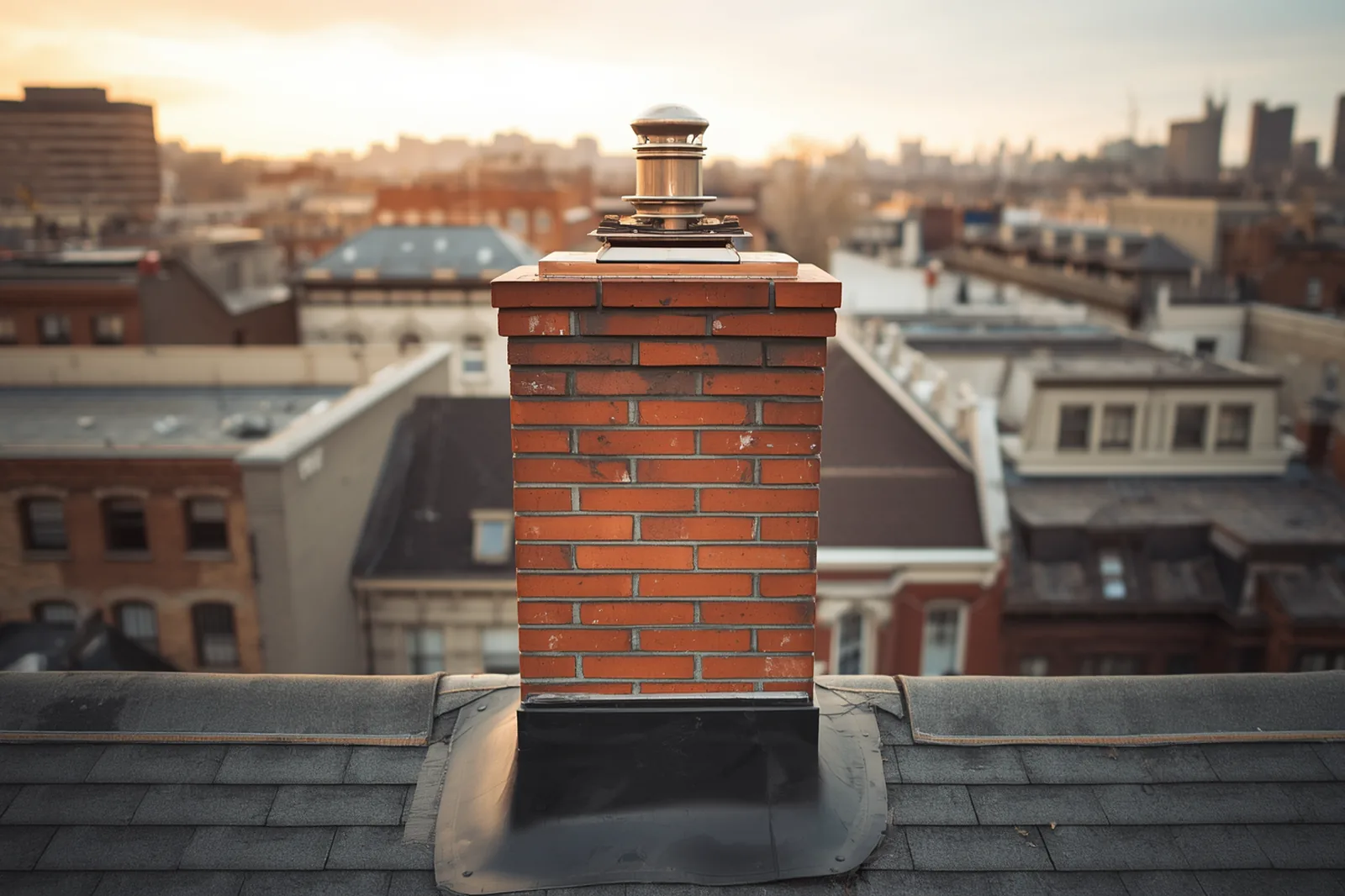
- We removed loose tile fragments from the flue, sized a flexible stainless steel flue liner from the new boiler's venting tables, pulled it from the roof, connected it with a stainless tee and cleanout at the boiler, sealed a stainless top plate and cap at the crown with Type N mortar around the old tile opening, and documented the installation for the inspection.
- Materials

Before and After
Chimney Liner Installation Across Our Service Area
Related Services
Why so many Crown Heights flues need relining
The limestone rowhouses and brownstones here date from a period when flues were often unlined or lined with thin clay tile set in lime mortar. A century of freeze-thaw, coal-to-oil-to-gas conversions and uncapped tops has left most of those tiles cracked somewhere. The first camera inspection usually finds it.
Nor'easter rain down an open flue and summer humidity trapped in a cool stack both accelerate the breakdown of the mortar between tiles. The same conditions apply in Prospect Heights and Clinton Hill, so if you own in any of these neighborhoods and have never had the flue cameraed, assume a liner is a possibility and plan for it before a boiler change forces the issue.
Frequently Asked Questions
How long does a stainless steel chimney liner last?
A correctly sized and installed stainless liner typically outlasts the appliance it serves, and manufacturers back them with long warranties when they are installed to the listing. The variables are the alloy matched to the fuel, insulation where required, and keeping the top sealed so water does not run down the outside of the liner. Yearly sweeping keeps acidic deposits from sitting on the metal.
Can a liner go in without tearing open the chimney?
In most cases, yes. Flexible stainless liners follow the offsets in a rowhouse flue and are pulled from the roof. We only open the chimney breast when a broken tile or a severe jog physically blocks the liner, and we camera the flue first so you know before we start. If we need to open a section, we plan the patch with reclaimed brick match or plaster to match the room.
Does the liner need insulation?
For wood-burning fireplaces and stoves, yes, to meet the liner's listing and to keep the flue warm enough to draft well and limit creosote. For gas boilers in an interior stack, insulation is often not required, though it helps in a cold exterior-wall chimney. We make the call based on the fuel, the chimney location and the manufacturer's instructions, and we explain which applies to yours.
Will a liner make my fireplace draft better?
Usually, especially if the old flue was oversized or had rough, broken tile. A liner sized to the firebox opening keeps gases moving at the right speed and smooths the path. If the fireplace smoked because the flue was too small or the opening too large, a liner alone will not fix that, and we tell you so during the inspection rather than after the install.
Do you line the flue for a gas water heater as well as the boiler?
Yes. In many pre-war buildings the water heater and boiler share a common vent, and the liner has to be sized for both appliances together using the venting tables. In single-family rowhouses the water heater often has its own small flue that also needs lining after a gas conversion. We look at every appliance connected to the chimney, not just the one being replaced.
What drives the cost of a chimney liner installation?
Flue height, liner diameter, the alloy and whether insulation is required, offsets that slow the pull, and the number of appliances connecting. A straight boiler flue in a two-story frame house is the simple end. A tall rowhouse fireplace flue with jogs, insulation and a firebox adapter is more involved. Any masonry opening or crown repair is quoted as its own line so you can see what is what.
Give the flue a sealed path again
Call (347) 555-0188 to schedule a camera inspection and liner estimate in Crown Heights or the surrounding Brooklyn neighborhoods. We size every liner to the appliance and document the install.