
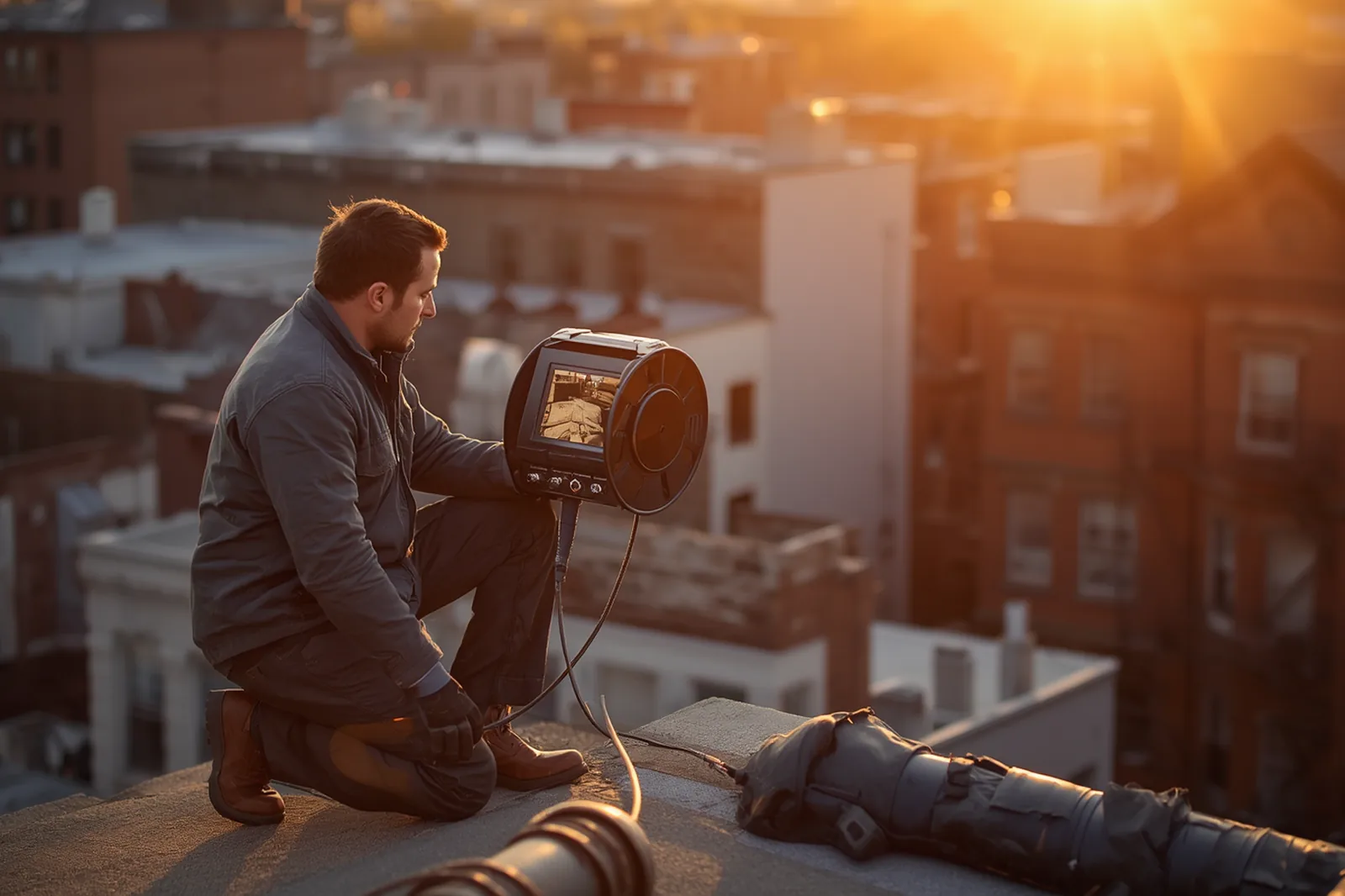
Chimney Inspection in Crown Heights, Brooklyn
Buying a rowhouse, converting a boiler, or just unsure what is behind the firebox? We run NFPA 211 Level 1 and Level 2 inspections with a flue camera and give you a written report you can hand to a buyer, a co-op board or an insurer.
What is the difference between a Level 1 and Level 2 chimney inspection?
A Level 1 inspection is a visual check of the accessible parts of the chimney, done during a routine sweep when nothing has changed. A Level 2 adds a camera scan of the full flue interior plus a look at accessible attics, crawl spaces and roof areas. NFPA 211 calls for Level 2 whenever a property changes hands, a fuel or appliance changes, or after a chimney fire.
When a Crown Heights chimney needs an inspection
An inspection separates what you can see from what is actually happening inside the flue. Most chimney problems in pre-war buildings are hidden between the clay flue tile and the brick, and the only honest way to report on them is with a camera and a defined scope.
- You are under contract on a rowhouse and the home inspector wrote that the chimney was not evaluated
- A co-op or condo board wants documentation before approving a fireplace or boiler change
- You are switching from oil to gas heat and the flue has to be sized and checked for the new appliance
- Water stains near the fireplace or on a top-floor ceiling that nobody can explain
- A chimney fire, even a small one that went out on its own
- A leaning chimney stack or a visible crack running through the brick above the roof
- A carbon monoxide detector has gone off and the heating contractor cleared the boiler
How a Level 2 inspection runs on a Brooklyn pre-war building
- Set the scope before we arriveWe ask why you need the inspection: sale, fuel change, water, fire. That tells us whether Level 1 or Level 2 is appropriate and who else should see the report. If a buyer or attorney is involved we note the deadline.
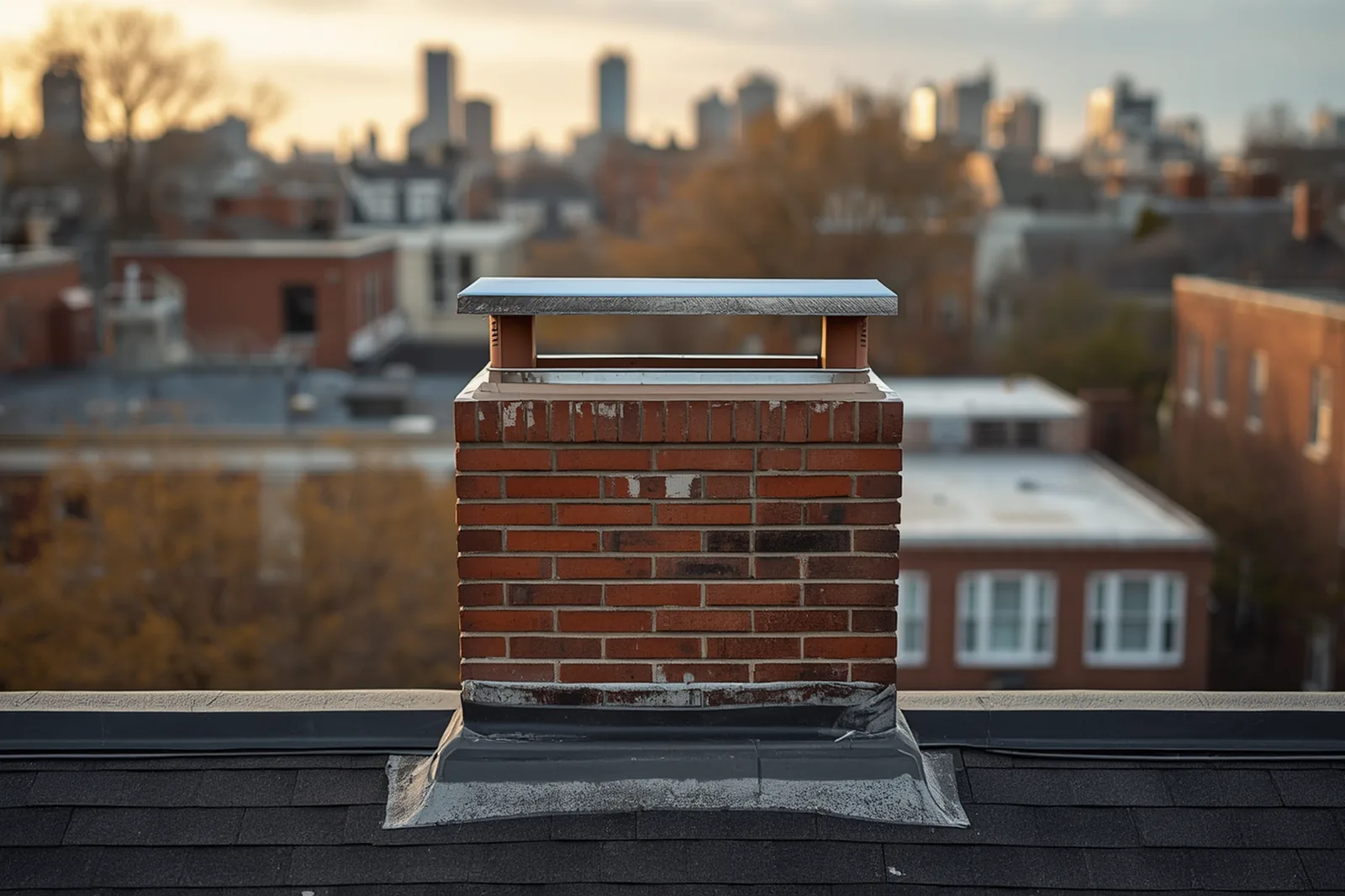
- Exterior and roof reviewWe go up to the roof, which on a Crown Heights rowhouse means the hatch and a walk across the built-up or modified-bitumen membrane to the stack. We photograph the crown, the brick and mortar, the flashing, the cap or lack of one, and the condition of the parapet where the chimney meets it.
- Interior accessible areasFirebox, damper, smoke chamber, cleanout doors, and the boiler connector pipe in the cellar all get documented. In a frame house we check the attic for scorched framing or gaps where the chimney passes through.
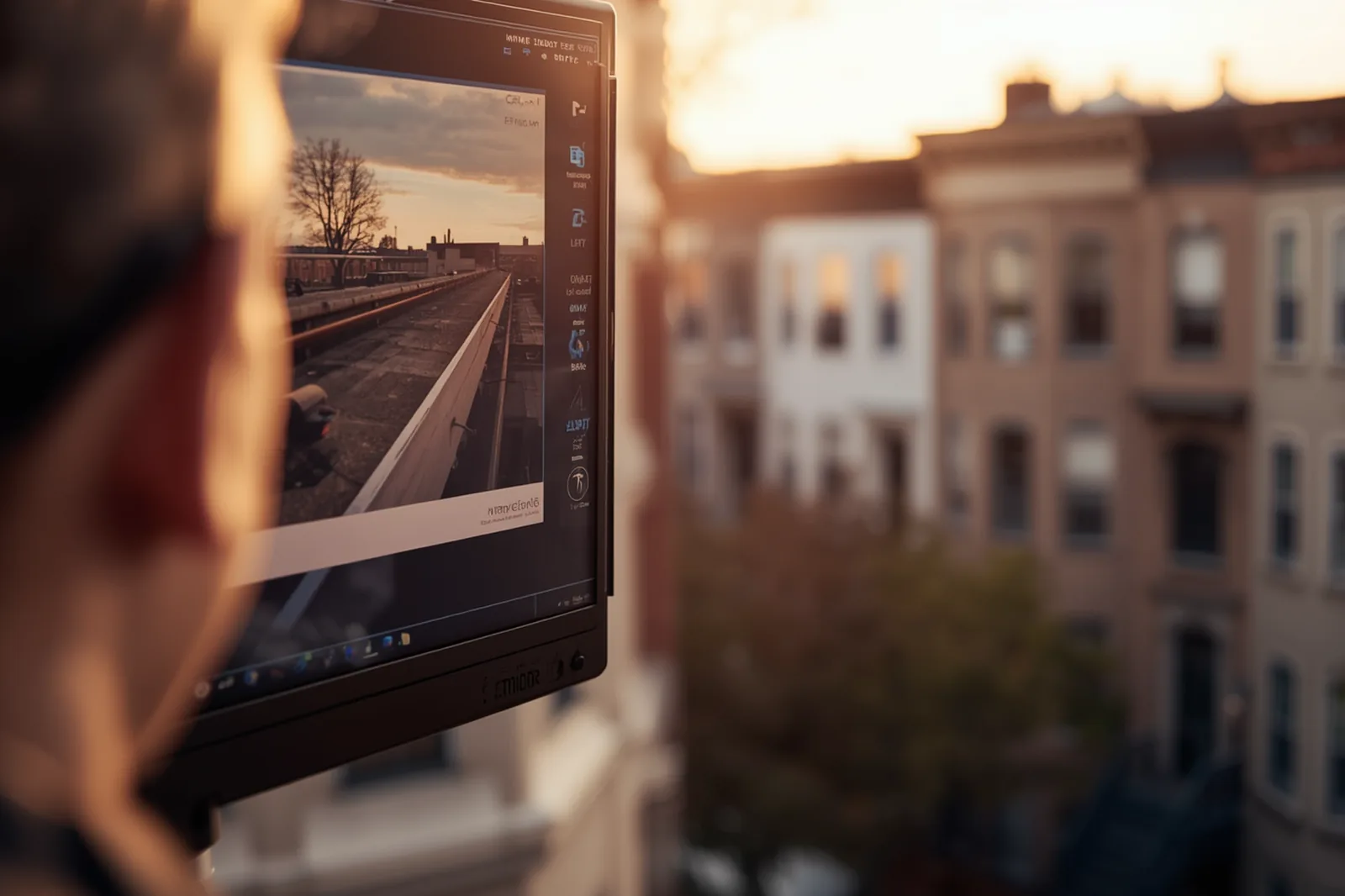
- Camera scan of every flueA Level 2 means a full-length camera run of each flue, not a flashlight look. We record the footage, note each cracked tile, missing joint, offset or blockage with its approximate height, and flag any flue that serves more than one appliance.
- Written report with photosYou receive a report that lists what we inspected, what we found, what level of concern each item carries, and what we recommend. We separate safety items from maintenance items so a buyer or board can make a decision without guessing.
- Review callWe walk you through the findings and answer questions, including whether a repair can wait. If the inspection reveals a liner or masonry issue, we price that separately so the inspection stays an inspection.
What a Crown Heights inspection actually examines
An inspection does not install anything, but it has to be fluent in every material the chimney is made of. Most Crown Heights flues are clay flue tile set in Type N or older lime mortar inside a brick stack. We check each of these for the failure patterns we see across the neighborhood.
- Clay flue tile: cracks, spalled faces, missing or open mortar joints, offsets where tiles have shifted
- Stainless steel flue liner, if present: proper sizing for the appliance, intact connections, condition of the top plate and cap
- Mortar joints in the brick stack above the roof: depth of erosion and whether tuckpointing or rebuilding is needed
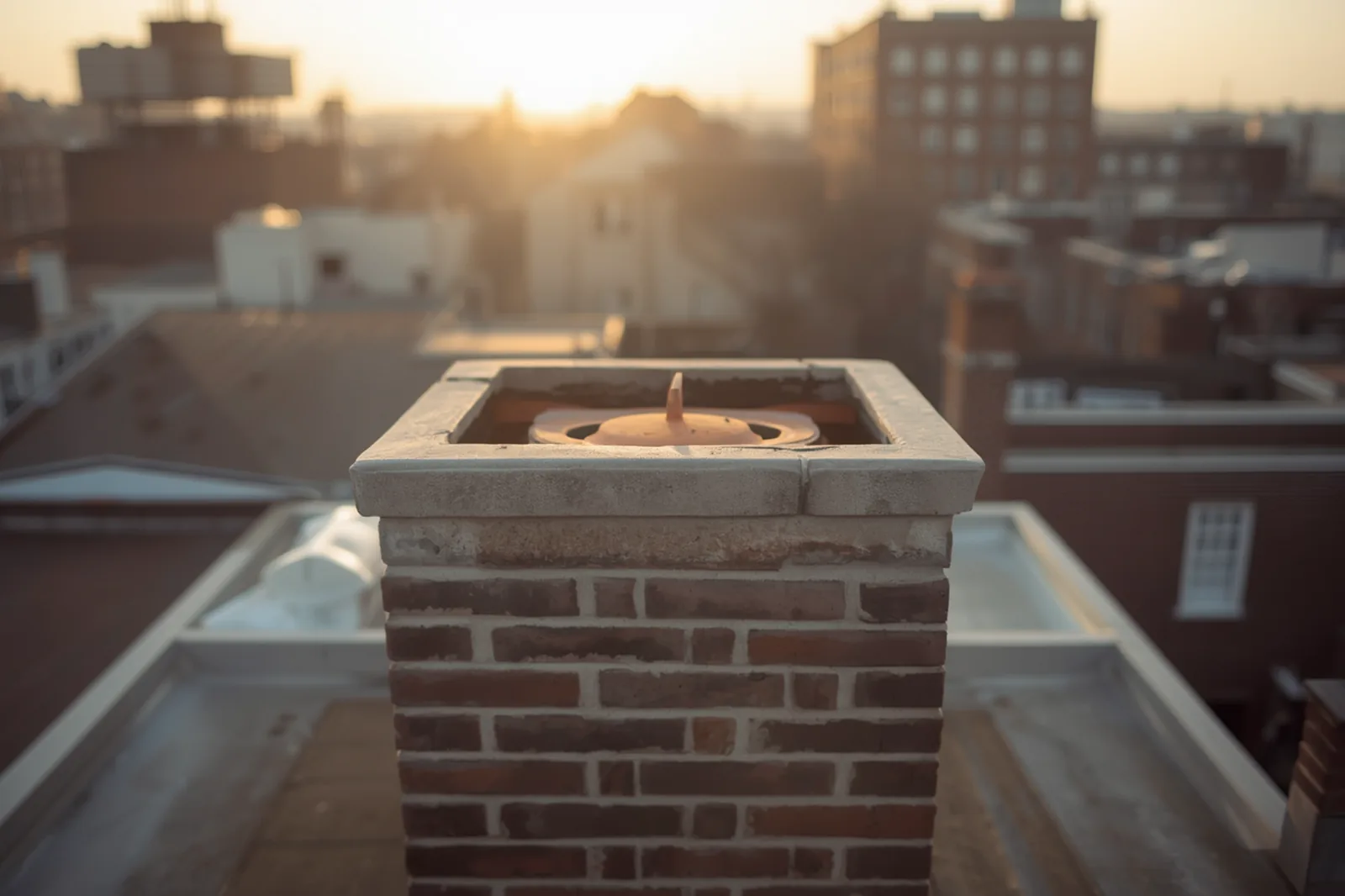
- Crown: hairline cracks, open cracks, missing overhang, and whether it is a mortar wash or a proper cast crown
- Flashing and counter-flashing at the roof deck: sealed, lifted, or missing where the stack meets a parapet
- NFPA 211 inspection levels as the framework: Level 1 for routine service, Level 2 for sales, fuel changes and after events, Level 3 only when demolition is required to reach a known hazard

Sales, co-op boards, and fuel conversions
For a rowhouse sale, the buyer usually orders the inspection and the seller usually has to respond to it. We keep the report factual and photo-based so it holds up on both sides of the table. In a brownstone or limestone house with several fireplaces, we inspect each flue individually and state clearly which ones are safe to use for wood, which should be gas-only, and which should stay closed.
In the large pre-war buildings along Eastern Parkway, inspections are more often about the boiler flue than fireplaces. An oil-to-gas conversion changes the flue gas temperature and volume, and the existing clay flue tile is often oversized or deteriorated for the new appliance, which is when a stainless steel flue liner becomes a code requirement rather than an upgrade. We work with the building's heating contractor and provide the flue documentation the inspector or expediter asks for.
Representative inspection work in Crown Heights
- Project type
- Level 2 inspection before a sale
- Area
- Crown Heights, Brooklyn
- Problem
- A recent job type we handle is a pre-sale Level 2 on a limestone rowhouse with two fireplaces and a basement boiler flue, ordered by a buyer whose home inspector could not see past the damper.
- Solution
- We camera-scanned all three flues and found open mortar joints and a shifted clay flue tile in the parlor fireplace flue, a serviceable boiler flue, and a cracked crown with no cap. The buyer received a photo report that separated the safety item (parlor flue not to be used with wood until relined with a stainless steel flue liner) from the maintenance items (cast-in-place crown and caps), and used it to negotiate the sale.
- Materials
Before and After
Chimney Inspection Across Our Service Area
Related Services
What inspections keep turning up in Crown Heights
The housing stock here is remarkably consistent: limestone rowhouses from the turn of the last century, big brick apartment buildings with flat roofs and parapets, and detached Victorian frame houses south of the parkway. The chimneys match the buildings, and so do the failures. Crowns that are nothing more than a mortar wash, caps that disappeared decades ago, and clay flue tiles that have cracked from freeze-thaw are the three findings we write up most often.
Weather plays into it. Nor'easter wind drives rain straight down an uncapped flue, and summer ponding on an aging flat roof keeps the base of the stack wet for weeks. We see the same conditions in Prospect Heights and Clinton Hill, so if you are comparing houses across these neighborhoods, expect similar inspection findings and budget for them.
Frequently Asked Questions
Do I need a chimney inspection when buying a rowhouse in Crown Heights?
We strongly recommend it, and NFPA 211 calls for a Level 2 inspection at any transfer of property. General home inspectors look at the firebox and the exterior of the stack and usually write that the flue interior was not evaluated. A Level 2 with a camera is the only way to know whether the flues are usable. The cost of relining a flue after closing is a surprise nobody wants.
How long does a Level 2 inspection take?
It depends on the number of flues and access. A single flue in a frame house with a roof hatch is a short visit. A four-story rowhouse with three fireplaces, a boiler flue and a roof you reach by ladder takes most of a morning, because each flue gets a full camera run and the report has to document each one. We tell you the expected window when we schedule.
Will the inspection report work for my co-op board or insurer?
Yes. The report lists the scope of inspection, the method, photos of each finding, and specific recommendations, which is what boards and insurers look for. We state the inspection level and the standard we followed. If the board has a form or specific questions, send it to us ahead of time so the report addresses them directly.
What does a camera inspection show that a flashlight cannot?
The full length of the flue, including the sections above offsets where a flashlight beam never reaches. Crown Heights rowhouse flues are tall and often bend to pass around other flues, and most tile failures hide in those bends. The camera also lets us record and measure the location of a crack, which matters when the fix is a liner or a partial rebuild. You see the same footage we do.
Can an inspection tell me whether my fireplace is safe to use for wood?
That is one of its main purposes. A flue is suitable for wood only if the clay flue tile or liner is continuous and intact, the smoke chamber is parged, the damper works, and the clearances to framing are correct. If any of those fail, we say which and recommend gas-only use, a liner, or no use until repaired. We do not soften that call.
What drives the cost of a chimney inspection?
The inspection level, the number of flues, and roof access. A Level 1 during a routine sweep adds little. A Level 2 takes more time per flue because of the camera work and the written report. Buildings where roof access requires ladders or coordination with a super take longer. We quote a flat figure before the visit so there is no scope creep.
Guides on this topic
Winter Prep for Pre-War Building Boiler Chimneys: A Checklist for Supers and Boards
Have the boiler flue inspected and cleaned before the first firing, confirm every flue in the stack is either in service or sealed, and get a written report…
Read the guide →
Converting Oil to Gas in a Brooklyn Rowhouse? Your Flue Needs a Liner
A masonry flue built for oil is far too large and too cold for a gas boiler, so the exhaust condenses into acid inside the brick, which is…
Read the guide →
Level 1 vs Level 2 Chimney Inspection: What Crown Heights Buyers and Owners Need
A Level 1 is the yearly look at everything you can reach without tools, and a Level 2 adds a camera scan of the whole flue, which NFPA…
Read the guide →
How Often Should a Crown Heights Rowhouse Chimney Be Swept?
Have every flue inspected once a year and swept whenever that inspection finds soot at the thickness NFPA 211 and CSIA flag, or any glaze at all, which…
Read the guide →Get a written answer before you close or convert
Call (347) 555-0188 to schedule a Level 1 or Level 2 inspection in Crown Heights, Prospect Heights or the surrounding blocks. Reports are delivered with photos and camera footage.