
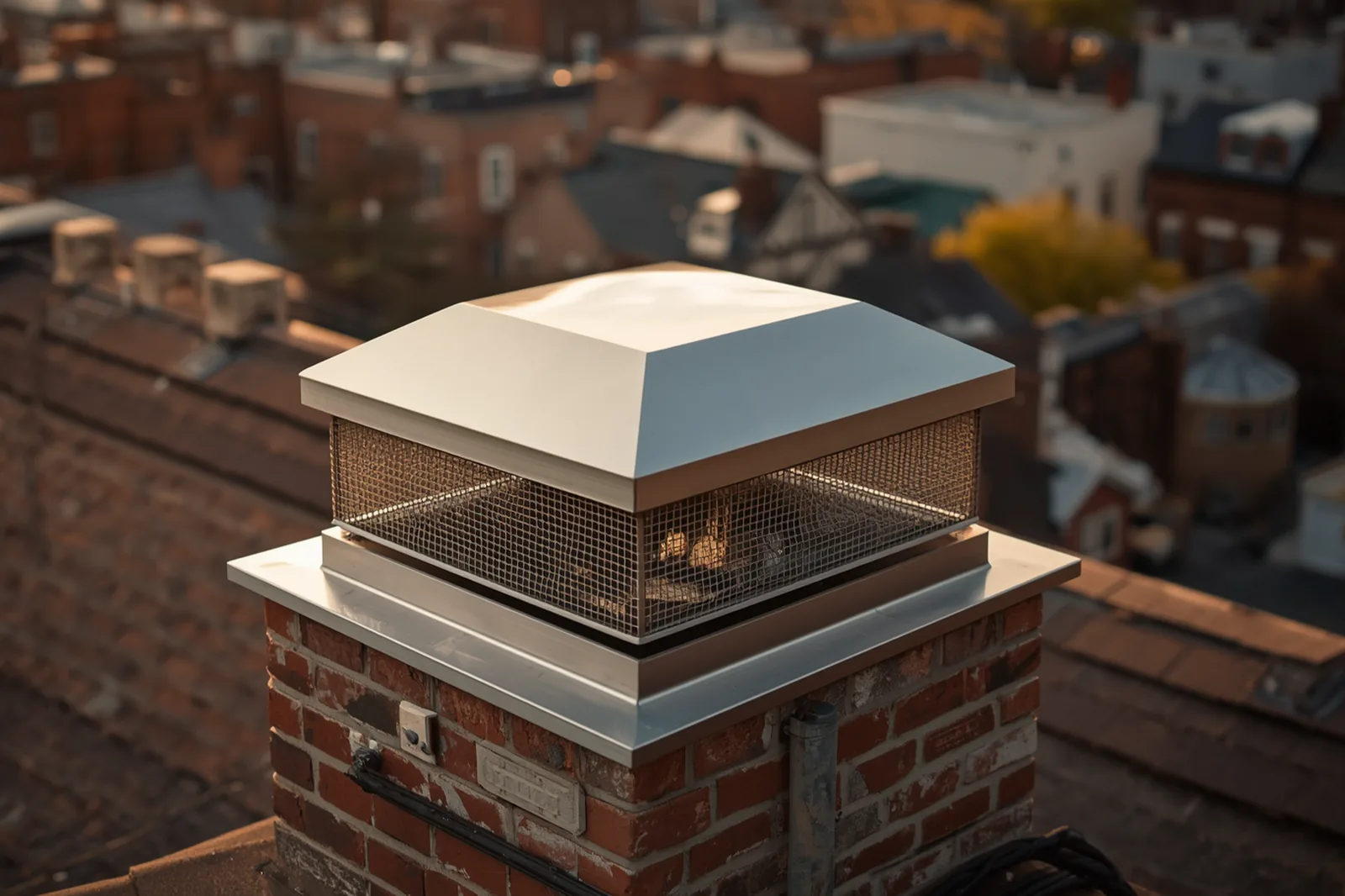
Chimney Cap Installation in Crown Heights
Most Crown Heights chimneys lost their caps decades ago, and the water that has been running down those flues since is behind half the repairs we do. A fitted stainless or copper cap is the least expensive protection a chimney can get.
Does my chimney really need a cap?
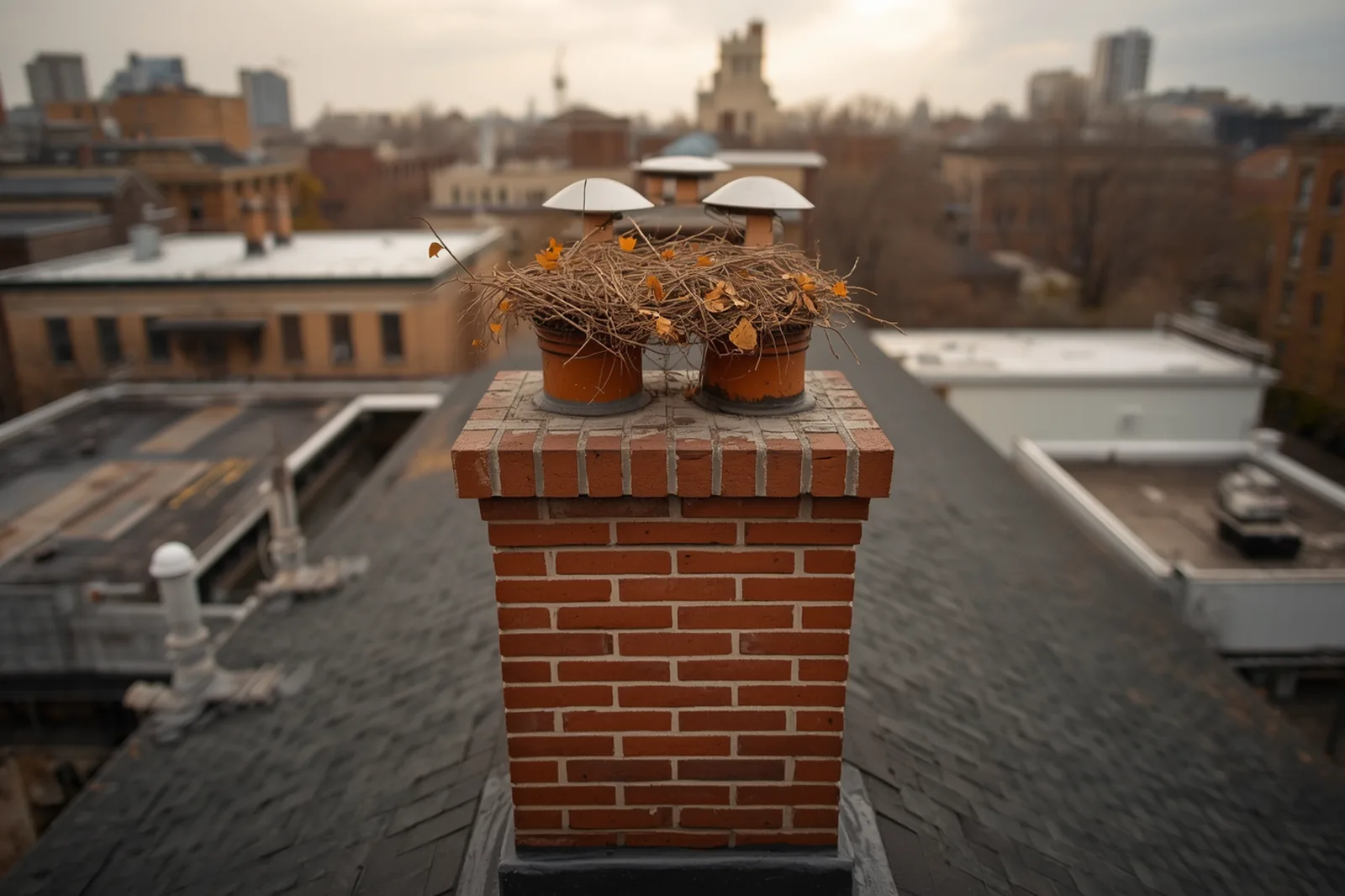
Yes, if you want the flue to last. Without a cap, every rainstorm sends water straight down onto the clay tile, the smoke shelf and the damper, which rusts dampers, washes out mortar joints and freezes inside cracks in winter. A cap also stops birds and squirrels from nesting in the flue and keeps sparks from landing on a flat roof. Caps are the lowest-cost item on any chimney.
When a Crown Heights chimney needs a cap
A chimney without a cap is an open pipe to the sky. The symptoms show up inside the house first, as rust, damp and smells, and on the masonry later, as washed-out joints and spalling. Fitting a cap stops the source rather than treating the results.
- Water on the smoke shelf or a damp firebox after every rain
- A rusted damper that has seized or flakes when you move it
- Birds, nesting material or a dead animal in the flue or firebox
- Rain noise inside the chimney or dripping sounds behind the chimney breast
- A missing, bent or rusted-through cap visible from the street or the neighbor's roof
- Downdrafts and smoke spilling into the room on windy days
- White efflorescence streaking the brick near the top of the stack
How we fit a cap on a rowhouse or pre-war roof
- Measure every flue at the topOn a Crown Heights rowhouse one stack can hold three or four flues of different sizes, some clay tile projecting above the crown and some flush. We measure each one, note whether it is round, square or rectangular, and check what the cap can anchor to.
- Check the crown and the top tile firstA cap only lasts as long as what it attaches to. If the crown is cracked or the top clay flue tile is spalled, we tell you before fitting a cap, because the right order is crown repair first. Caps clamped to a broken tile do not stay on through a nor'easter.
- Choose single-flue or multi-flueWhere tiles project cleanly we fit individual stainless steel caps that clamp to each tile. Where the tiles are flush, uneven, or there are several close together, a multi-flue cap anchored to the crown with masonry fasteners covers them all under one hood and sheds water better.
- Install with stainless hardware and sealCaps are fastened with stainless steel screws or band clamps, never plain steel that rusts and streaks the brick. Multi-flue caps get a bead of high-temperature sealant where the legs meet the crown so water does not track underneath.
- Confirm draft and clear the smoke shelfAfter installation we check that the damper opens freely and that the mesh height does not choke the draft, which happens with caps that are too short for a wood-burning flue. If debris or nesting was in the flue, we remove it so the cap is protecting a clean flue.
Cap materials that survive a Brooklyn roof
Galvanized caps are sold everywhere and rust through within a few seasons of Brooklyn salt air and nor'easters. We fit stainless steel as the standard and copper where the owner wants it to match copper flashing or a period look. The mesh, the hood and the fasteners all have to be the same corrosion class or the weakest one fails first.
- Stainless steel single-flue caps with band clamps for projecting clay flue tile
- Stainless steel multi-flue caps with a raised hood and masonry anchors for flush or grouped flues
- Copper caps for owners matching copper flashing on a restored stack
- Spark-arrestor mesh sized for wood-burning flues, with a larger opening on gas and oil flues to protect draft
- Stainless steel fasteners and high-temperature sealant at every anchor point
- Top-sealing dampers with an integrated cap where the original cast damper is rusted beyond repair
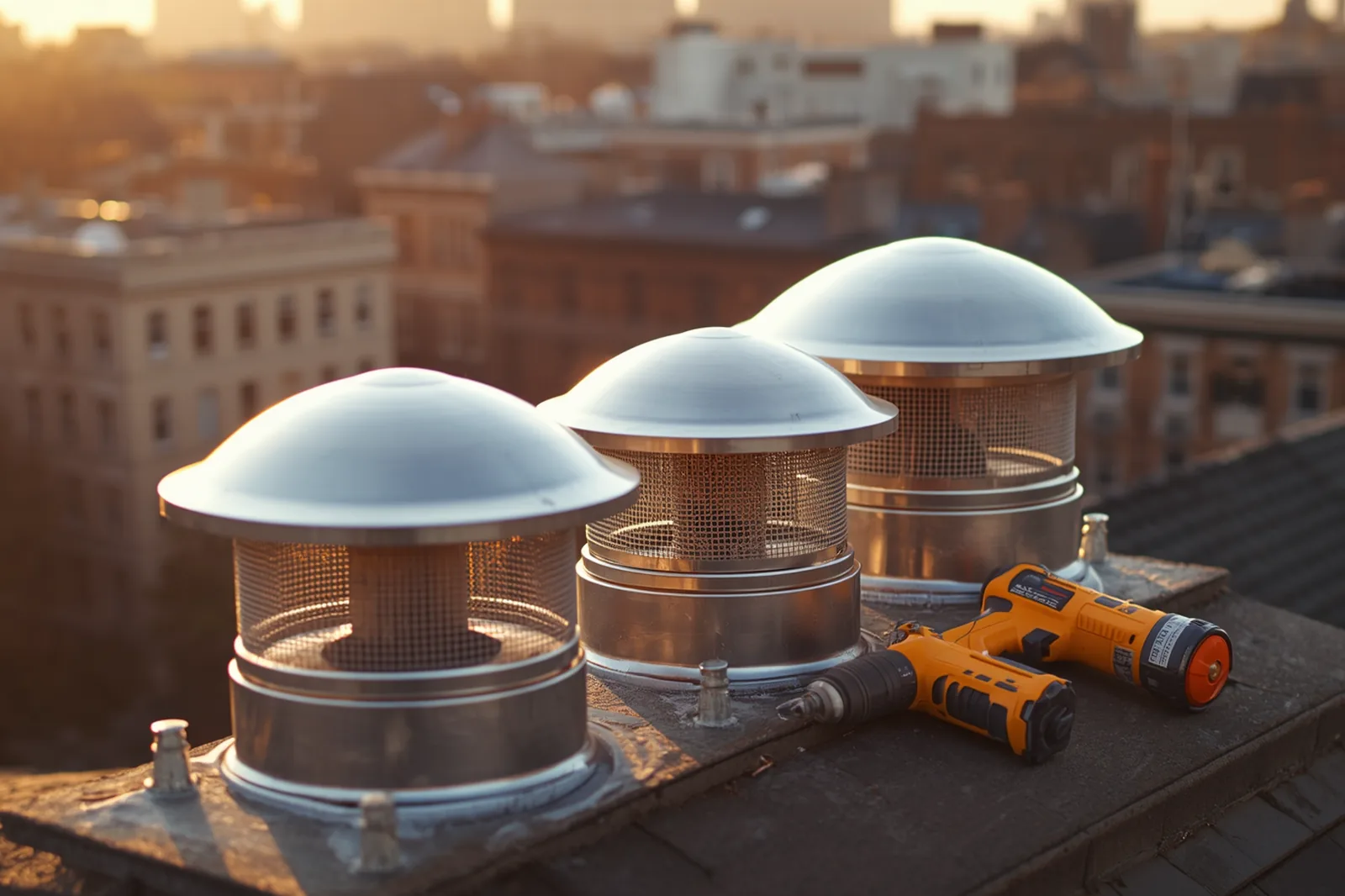
Rowhouse stacks, apartment building boilers, and frame house chimneys
On limestone and brownstone rowhouses, the stack sits on the party wall and typically serves several fireplaces plus the boiler. Unused fireplace flues still need caps or they feed water into the shared chimney mass. We often fit a multi-flue cap across the whole stack, which protects every flue and the crown at once. Frame houses in southern Crown Heights usually have one or two flues on a center chimney, where single caps fit cleanly.
Pre-war multifamily buildings have large boiler flues, sometimes with a clay tile and sometimes with a stainless steel flue liner from a gas conversion that already terminates in its own cap. We check that the liner cap is intact and that any abandoned flues beside it are capped or sealed, since those are usually the ones letting water into the building. We coordinate access with the super and work from the parapet.
Representative cap work in Crown Heights
- Project type
- Multi-flue stainless cap after a crown recast
- Area
- Crown Heights, Brooklyn
- Problem
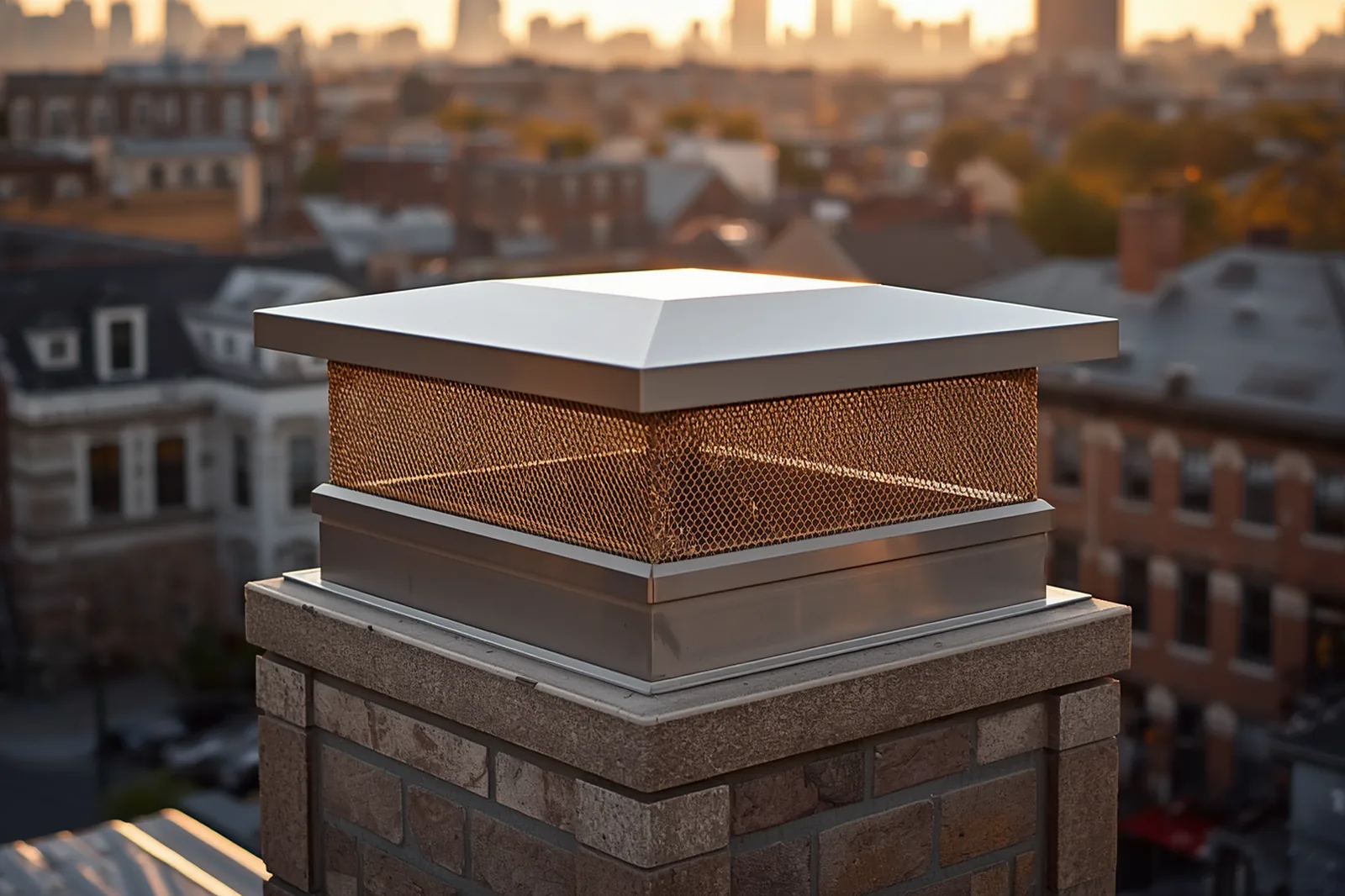
- A recent job type we handle is a limestone rowhouse stack with four flues of mixed sizes, no caps, a crown that had been patched with roofing cement, and a parlor fireplace damper rusted solid from years of rain.
- Solution
- After a cast-in-place crown was recast to shed water, we fitted a stainless steel multi-flue cap anchored to the new crown with stainless fasteners and sealed at every leg, freed and replaced the damper, and confirmed draft on the wood-burning flue. The stack now sheds water instead of swallowing it.
- Materials
Before and After
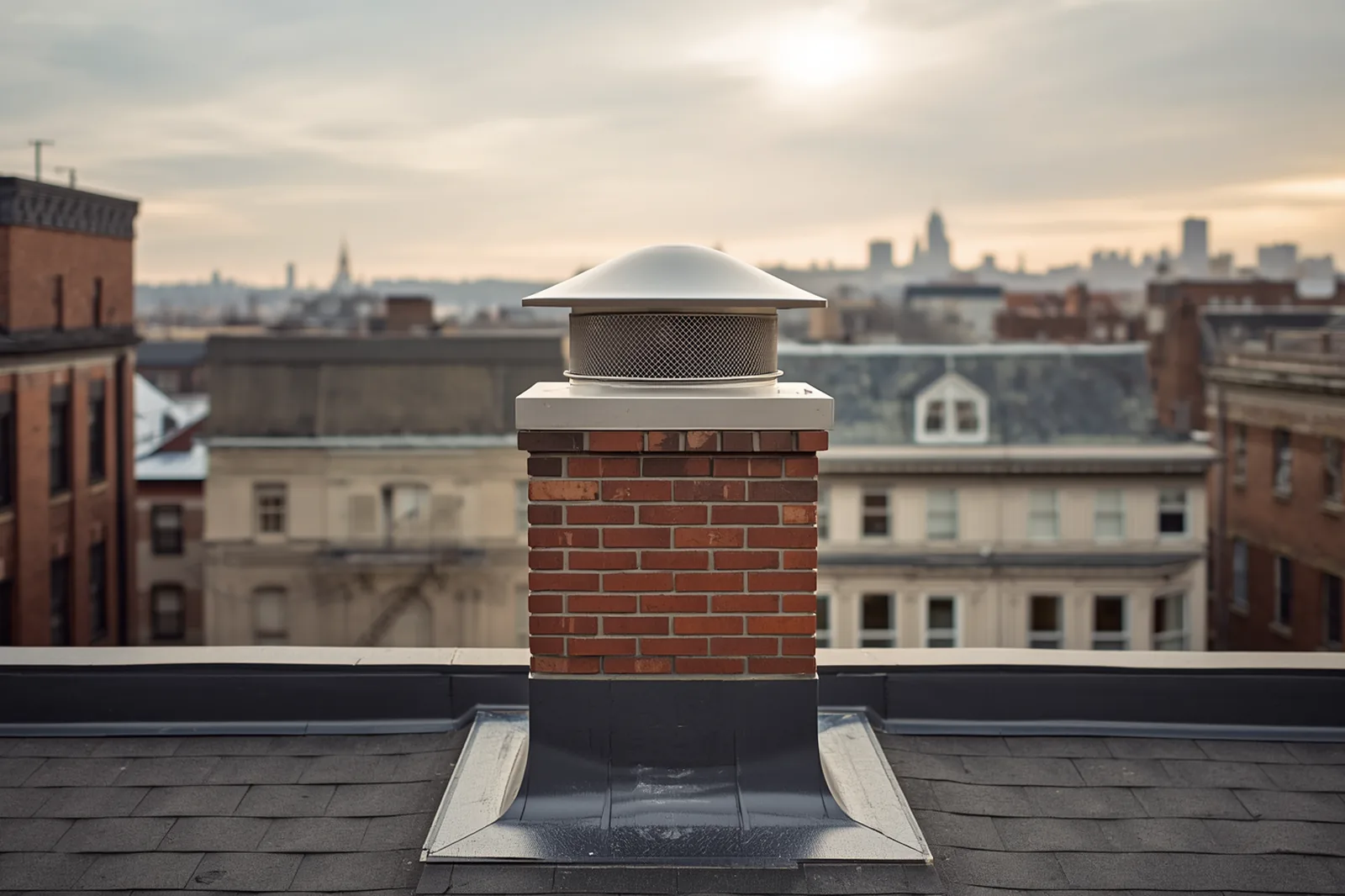
Chimney Cap Installation Across Our Service Area
Related Services
Why caps go missing in Crown Heights
Nor'easter wind uplift takes poorly fastened caps right off a stack, and once a galvanized cap rusts at its screws it goes in the next storm. Many Crown Heights chimneys have been uncapped since before the current owner arrived, which is why we find rusted dampers and water-stained fireplaces in houses that have never had a leak anywhere else.
The flat-roof rowhouse pattern means the chimney top is often the only part of the house nobody has looked at in years. On a visit to Prospect Heights or Bedford-Stuyvesant we see the same uncapped stacks block after block. A cap installation is usually the first job we recommend after an inspection, because it protects every repair that comes after it.
Frequently Asked Questions
What is the difference between a single-flue and a multi-flue cap?
A single-flue cap clamps directly to one clay flue tile that projects above the crown, and it is the neatest option when the tiles stand clear. A multi-flue cap is a single hood on legs that anchors to the crown and covers every flue underneath it. We use multi-flue caps when tiles are flush with the crown, when several flues sit close together, or when the owner wants the crown itself protected from rain. Both are stainless steel in our installs.
Will a cap reduce the draft on my fireplace?
A properly sized cap does not. Problems come from caps with mesh set too low, mesh openings too small for a wood flue, or a hood sitting too close to the flue outlet. We size the cap to the flue and the fuel, and on wood-burning flues we use a taller mesh to keep the exit area open. After installation we check the draft with the damper open.
Do I need a cap on a flue I never use?
Yes, and arguably more than on the flue you do use. An unused flue takes in the same rain, and because nothing ever warms it, the water sits on the smoke shelf and soaks into the brick on both sides of the stack. That is how an abandoned fireplace flue damages the boiler flue next to it. Capping or properly sealing it protects the whole stack.
Can a cap stop water from getting into my fireplace?
If the water is coming down the flue, yes, and that is the most common path. If the water is coming through the crown, the brick, or the flashing, a cap alone will not fix it. We look at all three while we are on the roof and tell you which path is active. Often it is more than one, and the cap is still the first step.
Should I choose stainless steel or copper?
Stainless steel is the practical choice: it does not rust, it holds its shape in wind, and it costs less than copper. Copper is for owners who have copper flashing on the stack or want the cap to weather to a brown-green patina on a restored house. Both outlast galvanized by decades. We do not install galvanized caps because Brooklyn salt air shortens their life.
What drives the cost of a chimney cap installation?
The number and size of flues, single versus multi-flue, the metal, and roof access. A single stainless cap on a projecting tile with hatch access is the simplest job. A custom multi-flue copper cap on a stack with a damaged crown that has to be repaired first is the other end. We measure on the roof and give you the full figure before ordering anything.
Guides on this topic

Chimney Crown vs Chimney Cap: The Two Parts That Fail First on Crown Heights Roofs
The crown is the sloped masonry top that sheds water off the brick and the cap is the metal cover that keeps rain and animals out of the…
Read the guide →
Seven Signs Your Crown Heights Chimney Is Leaking (and Three Things That Only Look Like Leaks)
Most chimney leaks on Crown Heights roofs enter through a cracked crown, failed flashing or a missing cap, and each one leaves a different signature inside the house,…
Read the guide →Cap the flue before the next storm
Call (347) 555-0188 to have your chimney measured for stainless or copper caps in Crown Heights and nearby neighborhoods. We check the crown and tiles at the same visit.