
Chimney Sweep and Masonry in Flatbush
From six-story boiler stacks to Victorian wood-burning fireplaces, Flatbush chimneys cover the whole trade. We handle both from Crown Heights.
Who is responsible for the chimney in a Flatbush co-op or rental building?
Check your proprietary lease, but in most buildings the board or owner is responsible for the boiler stack and shared flues, while individual fireplaces inside an apartment fall to the shareholder or tenant to keep swept. The flue a fireplace vents into still belongs to the building. In practice the super calls us for the stack, residents call about fireplaces, and we report findings to both so nobody is surprised.
Flatbush Chimneys: Boiler Stacks and Victorian Fireplaces
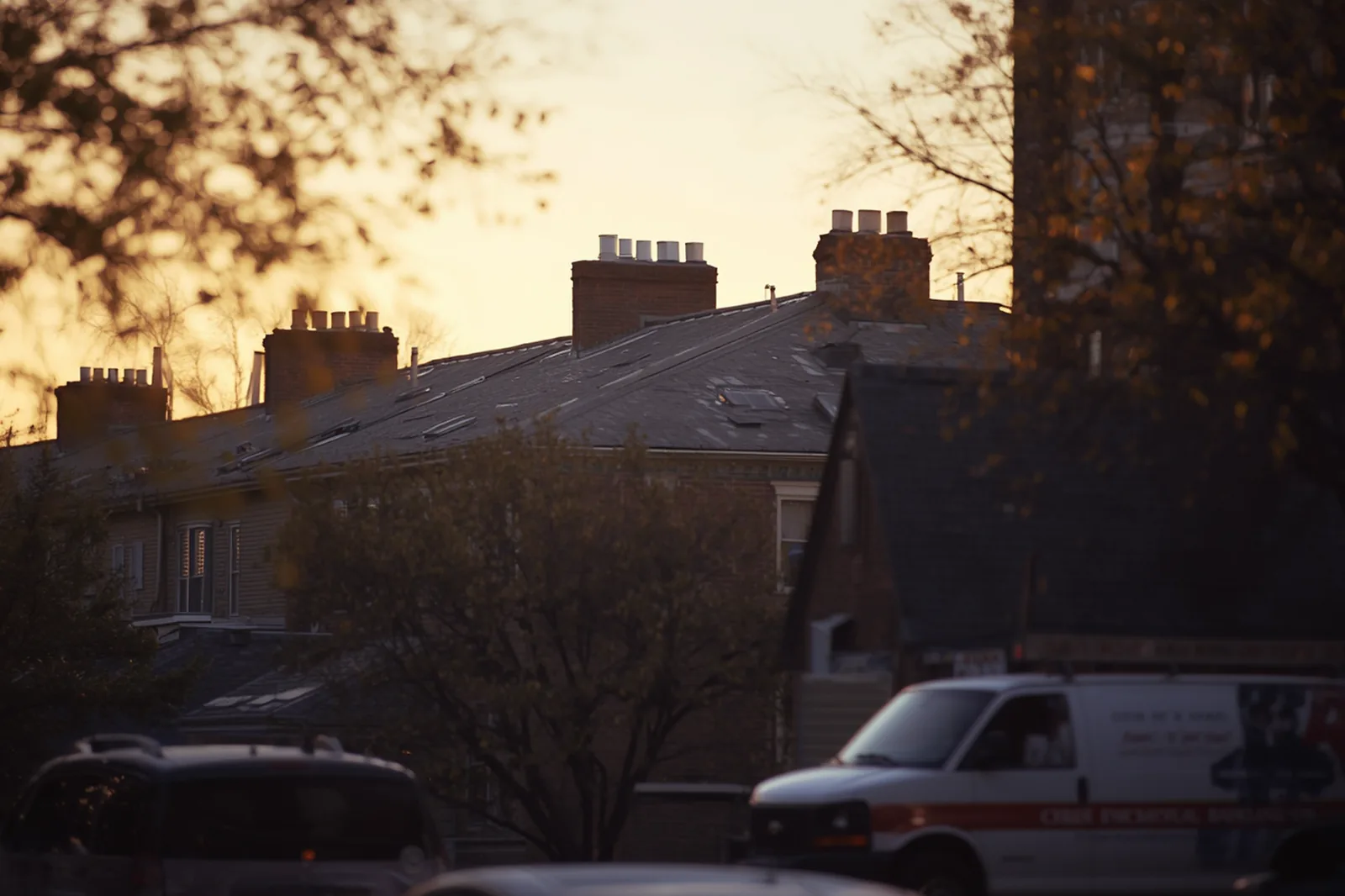
The six-story pre-war apartment buildings that line much of Flatbush have flat roofs with parapets and stair bulkheads, and somewhere on that roof is a large masonry boiler stack. That stack vented coal, then oil, and in most buildings now vents gas. Each fuel change left the clay flue tile inside a little more cracked and the mortar between the top courses a little softer, and the roof around the stack is where ponding water collects after a heavy summer storm.
Many of these buildings also carry a second flue that once served an incinerator and was sealed at the bottom decades ago. Sealed below does not mean closed above. Those flues still take rain and freeze-thaw at the top, and they can shed brick onto the roof or into the building if nobody looks at them.
South of the apartment belt, the Victorian frame houses of Prospect Park South are a different world: pitched roofs, a brick chimney rising through the slope, and wood-burning fireplaces that families still use every winter. Creosote, cracked crowns and flashing leaks where the chimney meets the roof are the everyday problems there.
Working With Boards, Managing Agents and Supers
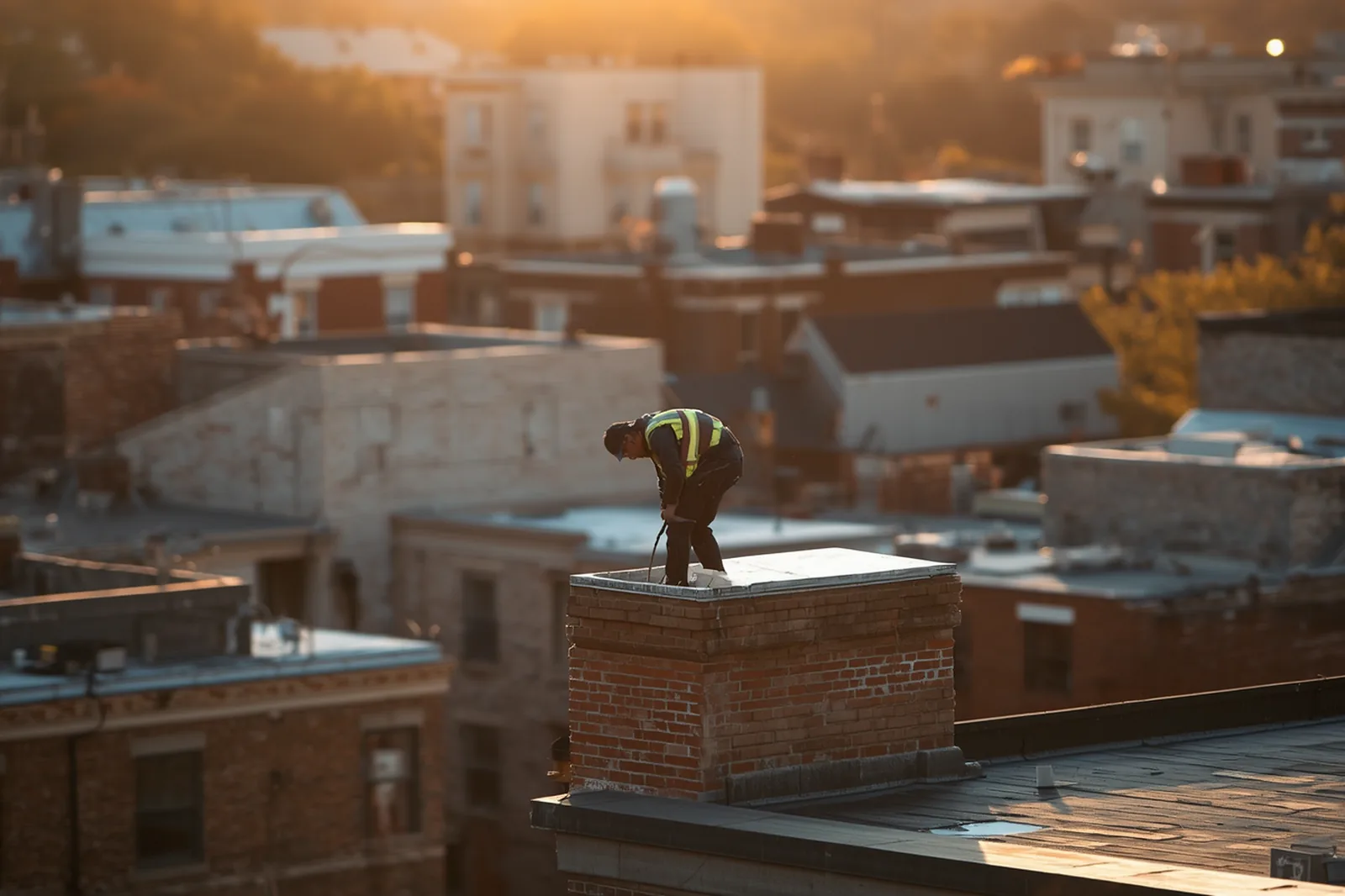
Most of our apartment-building work in Flatbush starts with a super who noticed brick on the roof or a boiler tech who flagged the flue. We provide a written inspection with photos that a co-op board or owner can act on, give a scoped estimate rather than a lump sum, and schedule the work around boiler shutdowns so residents are not without heat in winter.
Roof access through the bulkhead, staging on a parapet roof and keeping the roof membrane protected are part of every job. We leave the roof as we found it.
What Flatbush Buildings and Houses Call Us For
For the apartment buildings, the service that matters most is a camera inspection of the boiler stack followed by a correctly sized stainless steel flue liner. Oil-to-gas conversions in these buildings often reused the original flue, and a gas boiler venting into cracked, oversized clay flue tile condenses acidic moisture that eats the stack from the inside. We also inspect and cap the dead incinerator flues so they stop taking water.
For the frame houses, we sweep and inspect wood-burning fireplaces every season, remove glazed creosote when a sweep is not enough, and handle the masonry above the roof: crown recasts, tuckpointing with Type N mortar, and copper flashing where the chimney meets the shingles.
- Boiler stack camera inspections with written reports for boards and managing agents
- Stainless steel flue liners sized for converted gas boilers
- Capping and inspection of sealed incinerator and abandoned flues
- Annual sweeps and creosote removal for Prospect Park South fireplaces
- Crown recasts, tuckpointing and flashing on both building types
Chimney Leak Repair
Water near a fireplace has four possible sources, and sealing the wrong one wastes money. We trace the actual path on Crown Heights rowhouses and pre-war buildings, then fix that path with the right material.
Learn more →Chimney Crown Repair
The crown is the slab that seals the top of the chimney around the flues, and on most Crown Heights stacks it is a thin mortar wash that cracked years ago. We rebuild crowns as reinforced cast-in-place slabs with an overhang and drip edge, so water sheds away from the brick.
Learn more →Chimney Tuckpointing
Mortar joints are the sacrificial part of a chimney: they are meant to wear before the brick does. We grind out failed joints on Crown Heights stacks and repoint them in a lime-rich Type N mortar that matches the original in strength and color.
Learn more →Chimney Flashing Repair
Flashing is the metal that bridges the chimney and the roof, and it fails quietly under layers of tar. We cut out the old work, install new base flashing in copper or aluminum, and let counter-flashing into the brick joints so the seal does not depend on caulk.
Learn more →Chimney Sweep
A proper sweep removes soot and creosote from the firebox to the flue cap and ends with a camera look at what is left behind. Our crew works Crown Heights rowhouses, pre-war co-ops and frame houses with the same drop-cloth discipline.
Learn more →Chimney Inspection
Buying a rowhouse, converting a boiler, or just unsure what is behind the firebox? We run NFPA 211 Level 1 and Level 2 inspections with a flue camera and give you a written report you can hand to a buyer, a co-op board or an insurer.
Learn more →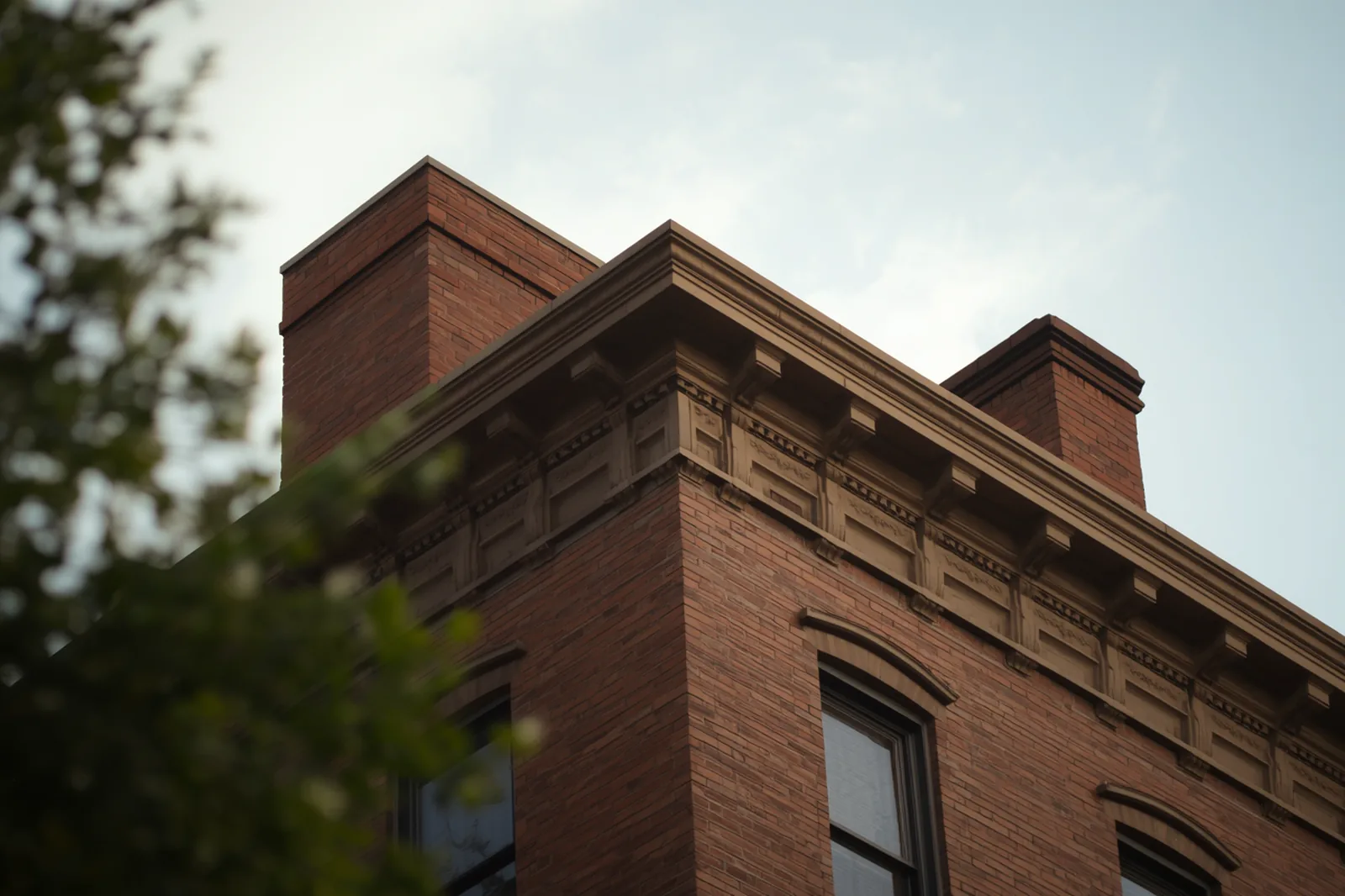
Representative Work in Flatbush
- Project type
- Stainless liner install for a gas conversion
- Area
- Six-story pre-war apartment building, Flatbush
- Problem
- After an oil-to-gas boiler conversion, the super found rust-colored water pooling at the base of the stack in the boiler room and white efflorescence spreading across the brick above the roof. The camera showed cracked clay flue tile most of the way up and a flue far too large for the new boiler's output.
- Solution
- We installed a stainless steel flue liner sized to the new boiler, insulated to keep the flue gases warm all the way to the top, with a proper termination and cap above the stack. Above the roof we repointed the open joints in Type N mortar and recast the crown in place so rain stopped entering the flue from the top. The board received a photo report of the before and after condition for its files.
- Materials
Flatbush From Our Crown Heights Base
Flatbush sits directly south and southwest of Crown Heights, and our crew already works the Victorian frame houses at the southern end of Crown Heights, which share their construction with Prospect Park South. Same-week scheduling is standard, and we group apartment-building inspections so a managing agent with several Flatbush properties can book them in one run.
East Flatbush borders Flatbush on the east and is covered by the same crew, as are Prospect Heights, Clinton Hill, Bedford-Stuyvesant and Brownsville.
Part of our Areas We Serve Around Crown Heights service area.
Frequently Asked Questions
Our building converted from oil to gas years ago and never relined. Is that a problem?
Usually, yes. Gas exhaust is cooler and carries more water vapor than oil exhaust, and inside oversized clay flue tile it condenses before it reaches the top. That condensate is acidic, and over years it breaks down the flue tile and the mortar behind it. The signs are efflorescence and spalling on the stack above the roof and rusty water in the boiler room. A camera inspection will show how far it has gone.
Can you sweep a fireplace in a Prospect Park South house without making a mess?
Yes. We seal the fireplace opening, run a HEPA vacuum the whole time, and work the brushes from inside or from the roof depending on the chimney. The living room is covered with drop cloths before any tool comes out. If we find glazed creosote that brushes will not remove, we explain what creosote removal involves before doing anything further.
What is a bulkhead and why does it matter for chimney work?
The bulkhead is the small structure on a flat roof that houses the top of the stairway or elevator and gives access to the roof. For us it is how we and our equipment reach the stack without a crane or exterior ladder work on a six-story building. We coordinate bulkhead access with the super, protect the roof membrane around our work area, and keep the door secured while we are up there.
How do you inspect a chimney stack on a six-story building?
From the roof and from the boiler room. On the roof we check the crown, the top courses, the cap and the flashing against the parapet and roof membrane. From the boiler room we run a camera up the full height of the flue to look at the clay flue tile joints and any breaks. The two views together tell us whether the stack needs lining, repointing, a rebuild of the top courses, or just a cap.
Do the old incinerator flues really need attention if they are sealed?
They do. The seal is at the bottom, in the basement, but the top of the flue is still open to the sky. Rain enters, freezes, and spalls the brick from the inside, and birds and debris collect in the flue. A simple cap and a check of the top courses stops most of that. We often find the incinerator flue is in worse shape than the working boiler flue next to it.
How quickly can you come for a Flatbush building emergency?
Active leaks into apartments, smoke or exhaust smell near the boiler, and brick falling onto the roof go to the front of our schedule. We work Monday through Saturday, 7:30 AM to 6:30 PM, and Flatbush is close enough to Crown Heights that we can often come the same or next working day for those situations. Routine inspections are usually same-week.
Book a Flatbush Chimney Inspection
Call Crown Heights Chimney Sweep at (347) 555-0188 or send the form. Boards and managing agents can request a written proposal covering several buildings.