How should a super prepare a pre-war building boiler chimney for winter?
Schedule a chimney inspection before the boiler's fall startup, timed to the shutdown so the base of the flue can be cleaned of fallen tile and soot. Have the technician check the breeching, the cleanout, the flue interior by camera, the stack above the roof and every orphaned flue in the stack. Confirm CO detectors are working, then file the photo-documented report with the board before heating season.
The Chimney Is the Part of the Heating Plant Nobody Services
Every fall the boiler contractor arrives, tunes the burner, tests the controls and signs off. The flue that carries everything the boiler produces up through six stories of apartments usually gets a glance at the breeching and nothing more. In the large pre-war buildings on Eastern Parkway and the walk-ups on the side streets of Crown Heights, that flue is a masonry shaft that has been in service for close to a century, and NFPA 211 calls for it to be inspected at least once a year like any other chimney.
This checklist is written for the super who schedules the work and the board member who has to approve it. It covers what to inspect, when to do it relative to the boiler shutdown, the orphaned-flue problem that most multi-flue stacks have, and the documentation a board should expect to see before the heat goes on.
Timing: Do It Around the Shutdown, Not After Startup
A boiler flue can only be cleaned and scanned properly when the boiler is off and cool. The ideal window is the end of the summer, after the boiler has been down for cooling-season maintenance and before the burner technician does the fall startup. That sequence lets our crew clean the base of the flue and the breeching, run the camera, and flag anything the burner technician needs to know before the boiler is tuned against a flue that is partly blocked.
Buildings that run the boiler year-round for domestic hot water need a planned short outage, coordinated with residents, which is easier in September than in a cold snap. Supers in the pre-war co-ops of Prospect Heights and the apartment blocks of Flatbush run into the same scheduling, and the fall calendar fills quickly, so booking the chimney visit in late summer is the practical move.
The Inspection Checklist, Base to Cap
This is the sequence our crew follows on a pre-war boiler stack. A boiler chimney inspection that skips any of these steps is a receipt, not a report.
- Breeching and connectorThe horizontal run from the boiler to the chimney is checked for corrosion, open seams, sagging and soot load. Barometric dampers and spill switches are confirmed present and free to move.
- Cleanout and base of flueThe cleanout door is opened and the base of the flue is cleared of fallen tile, mortar and soot. A deep pile of debris here means the flue above is shedding material, which the camera then confirms.
- Full-length camera scanA camera runs the flue from the base to the top, recording tile condition, open joints, offsets, condensation staining and any blockage. In a converted gas boiler flue we look specifically for acid erosion of the joints.
- Every other flue in the stackEach additional flue is identified and traced: in service, abandoned, or open to a fireplace or an old incinerator. Abandoned flues are checked for openings into apartments and for debris.
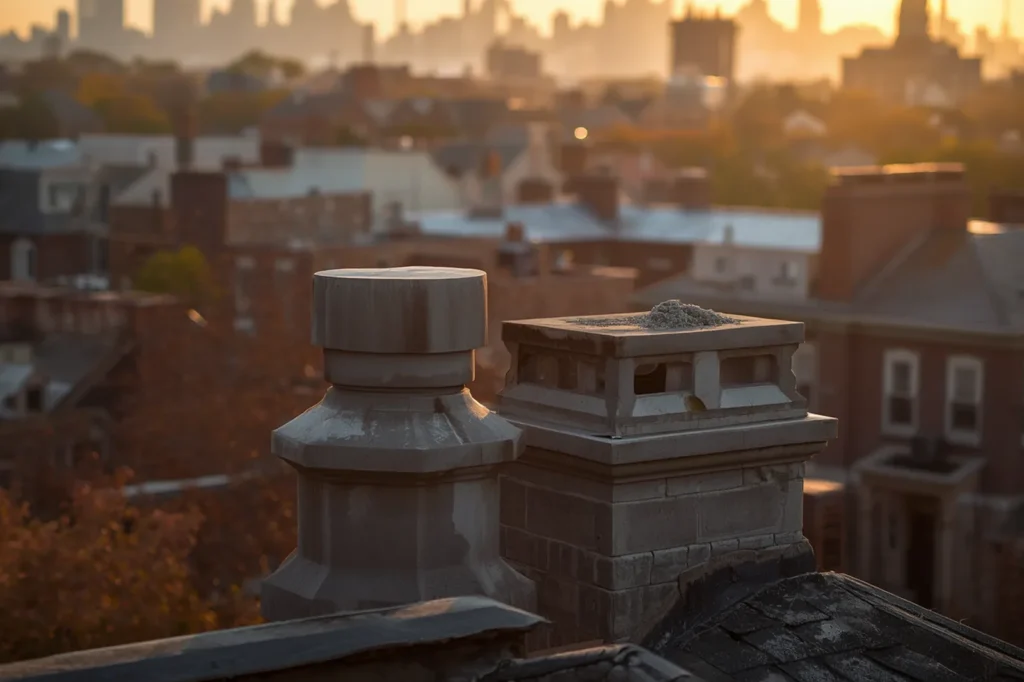
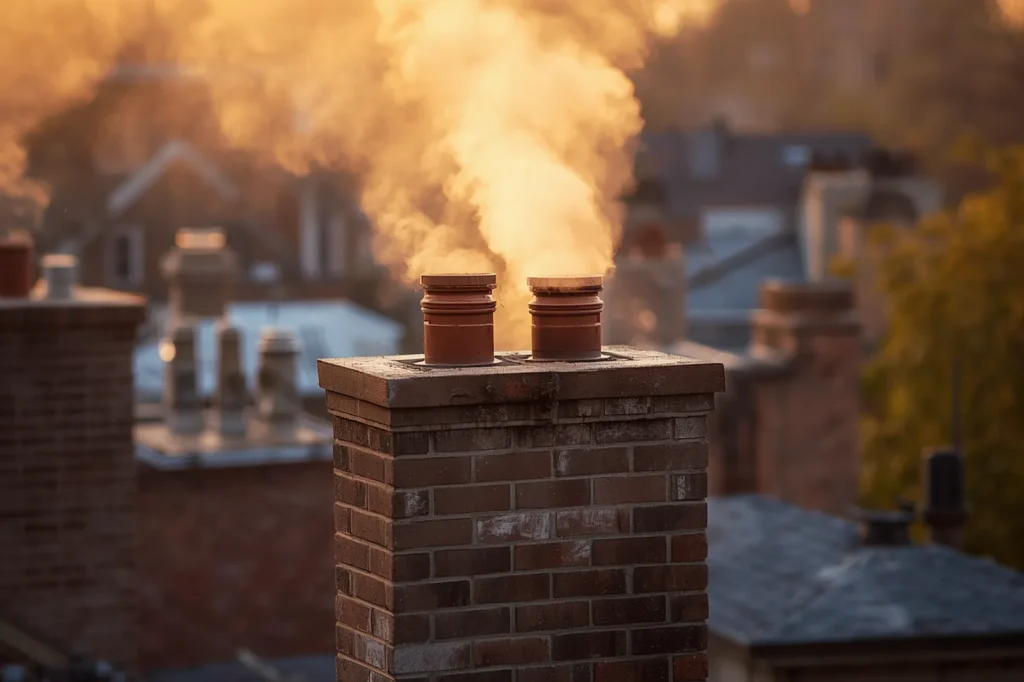
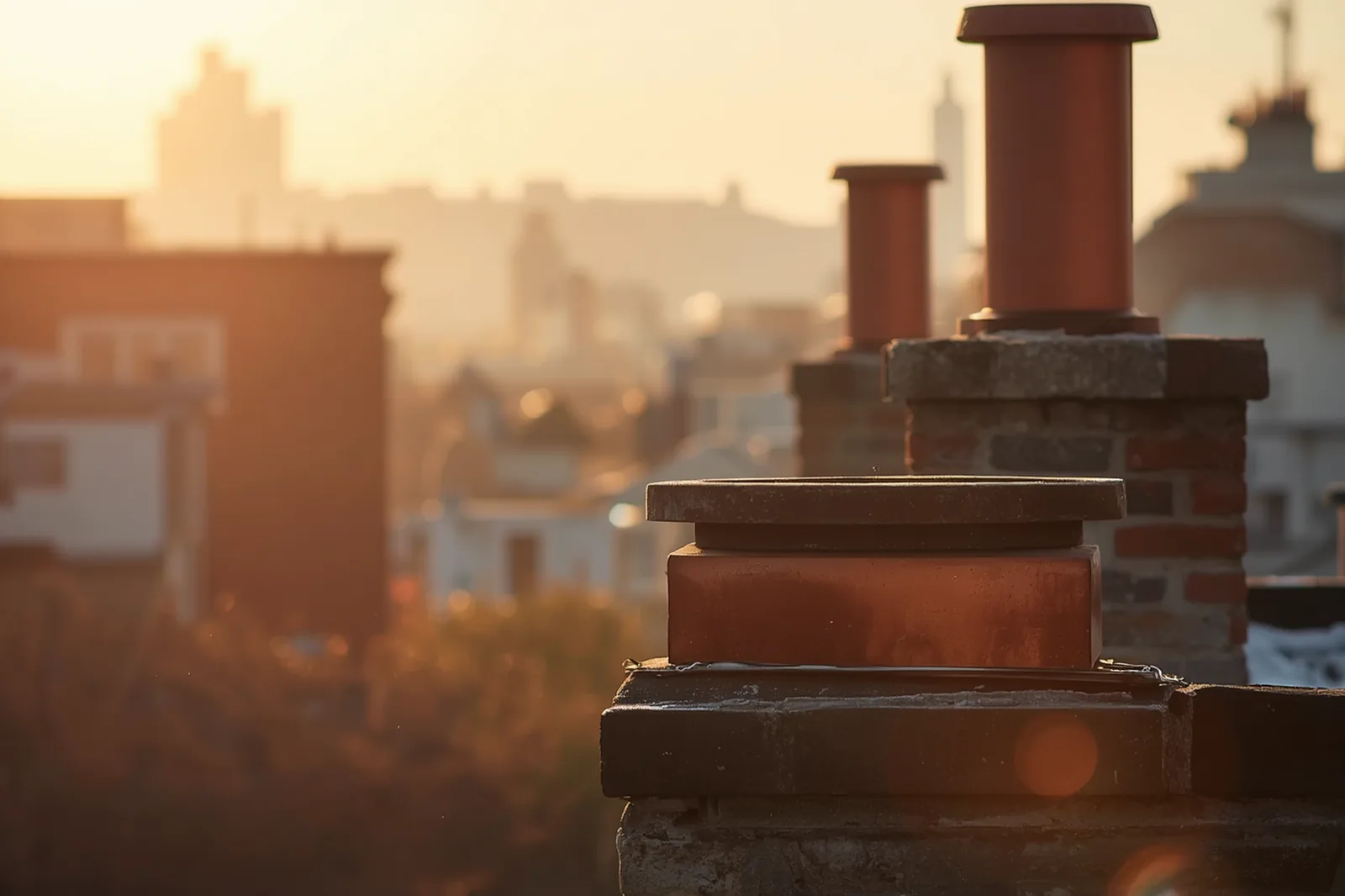
- Stack above the roofThe crown, cap, brick faces, mortar joints and flashing at the roof and parapet are inspected and photographed. A cracked crown on a boiler stack lets water into the flue, which accelerates tile loss.
- Written report with photosFindings are tiered as safety, repair this season, or monitor, with photos and a recommended scope. The report goes to the super, the managing agent and the board.
Orphaned Flues and the Carbon Monoxide Risk
Pre-war stacks were built with many flues: one for the boiler, often one for an incinerator, and several for the coal stoves and fireplaces that apartments once had. Most of those flues are now abandoned, and abandoned does not mean sealed. An orphaned flue with an open thimble behind a kitchen cabinet, or a cracked tile shared with the boiler flue, is a path for boiler exhaust into living space. These are the signs that something in the stack is not where it should be.
- Soot or a sulfur smell in an apartment on an upper floor, especially near a kitchen or closet wall on the chimney line
- A carbon monoxide alarm that has tripped anywhere in the building, even once and even if it reset
- Boiler spill switch trips or short-cycling, which often means the flue is restricted or the draft is being pulled through an opening in another flue
- Stains or damp patches on walls along the chimney line in cold weather with no rain, pointing to gas condensation in an unlined flue
- Debris accumulating in the cleanout faster than usual, a sign the tile above is breaking down
- An old water heater or small appliance still venting into a flue that was sized for a much larger boiler
When the Flue Needs a Liner, Not Just a Cleaning
Many Crown Heights buildings converted from oil to gas over the past decade, and some did it with the original masonry flue. Gas exhaust is cool and wet, and in a flue sized for a large oil burner it condenses into acidic water that washes out the mortar joints and softens the clay flue tile. The camera finds the evidence: white staining, open joints, tile fragments at the base. Once the joints are gone, the flue is open to the brick and no longer a proper vent.
The fix is a stainless steel liner sized to the boiler's input and the stack height from the NFPA 54 venting tables and the manufacturer's instructions, insulated where the stack runs up an exterior wall, with a tee and cleanout at the base and a sealed top plate. The NYC Fuel Gas Code limits lining systems for gas appliances to clay tile in good condition, listed liners, or other approved corrosion-resistant materials, and bars venting a second appliance in the space around a liner. A board should expect the liner recommendation to come with the camera footage that justifies it.
For a flue that is sound but dirty, the work is cleaning and documentation only, and we say so. Boards in East Flatbush and Bedford-Stuyvesant buildings sometimes receive liner quotes with no inspection behind them, and the first thing we recommend is a camera scan to confirm whether the flue actually needs it.
What the Board Should Have in the File Before Heat Goes On
A board carries the liability for the heating plant, and the chimney is part of it. The file for each heating season should contain the chimney inspection report with the camera stills, photos of the stack from the roof, the cleanout and breeching condition, a list of every flue in the stack and its status, and the tiered recommendations with the scope and timing of any repair. If a liner was installed, the listed-system documentation and the special inspection paperwork belong in the same file.
That report is also what a buyer's attorney, an insurer or an engineer doing a facade or energy review will ask for. A one-line invoice reading boiler chimney cleaned satisfies none of them. On the Parkway buildings with parapet-top stacks and flat roofs, the roof-level photos matter as much as the flue scan, because the crown and flashing are where water enters and water is what ends the life of a flue.
Our crew works with supers and managing agents across Crown Heights on exactly this schedule, and we are glad to coordinate with your boiler contractor so the shutdown, the chimney work and the startup happen in the right order.
Frequently Asked Questions
Our boiler contractor inspects the boiler every fall. Does the chimney need a separate inspection?
Yes. Boiler technicians tune the burner and check the breeching, but they do not run a camera up the flue, inspect the stack from the roof or trace the other flues in the chimney. NFPA 211 calls for an annual inspection of the chimney itself, and in a pre-war masonry stack that is a separate skill and a separate visit, best timed just before the boiler startup.
What is an orphaned flue and why does it matter?
An orphaned flue is one that no longer serves an appliance but was never properly sealed, such as an old incinerator or coal stove flue in a pre-war stack. If it has an open thimble into an apartment or shares a cracked wall with the boiler flue, it can carry boiler exhaust and carbon monoxide into living space. Every flue in the stack should be identified and either in service or sealed.
How do we schedule the chimney work around domestic hot water?
The flue needs the boiler off and cool for cleaning and camera work. Most buildings plan a short outage with notice to residents, ideally in late summer alongside other boiler maintenance. We coordinate the time with your boiler contractor so the flue is cleaned and scanned, the findings are shared, and the burner is tuned afterward against a clean flue.
The building converted to gas years ago and has had no problems. Do we still need a liner?
Only the camera can answer that. Some flues hold up for a while and then fail quickly as the mortar joints wash out, and the first sign is often debris in the cleanout or condensation stains in apartments. If the scan shows sound tile and tight joints, the report says so and the work is cleaning only. If it shows erosion, a sized stainless liner is the fix, and we show the footage that justifies it.
What documentation should the board expect from a chimney inspection?
A written report with camera stills of the flue interior, photos of the stack from the roof, the condition of the breeching and cleanout, a list of every flue in the stack and its status, and recommendations tiered by urgency with a scope for any repair. If a liner is installed, the listed-system documentation and special inspection paperwork should be included. A one-line invoice is not a report.