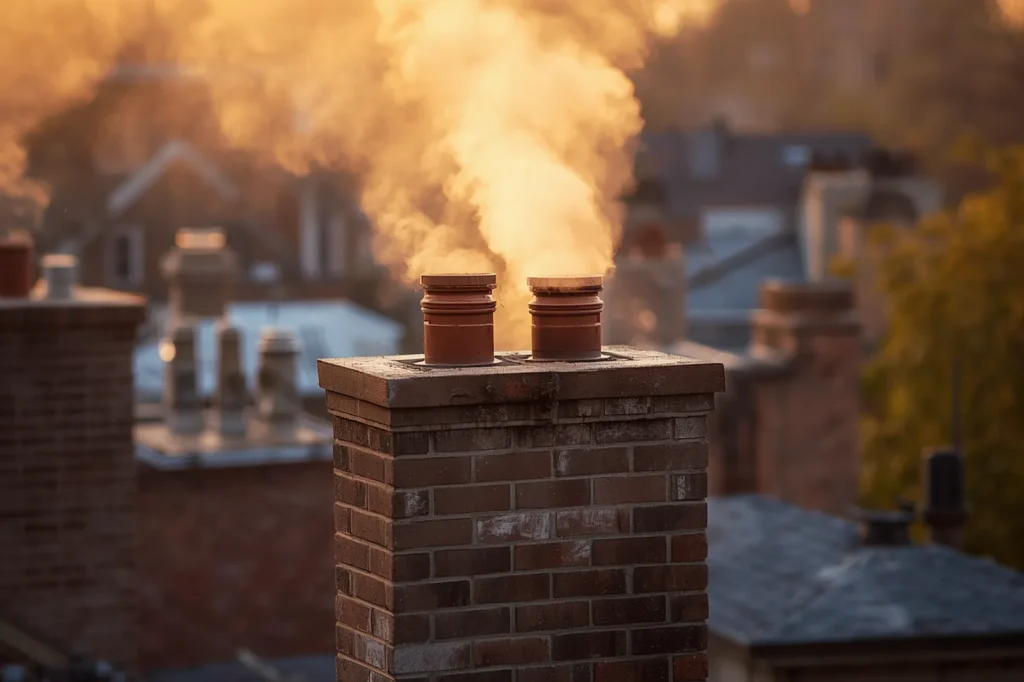
Do I need a chimney liner when converting from oil to gas?
Yes. Gas exhaust is cooler and wetter than oil exhaust, and in a masonry flue sized for an oil burner it condenses into acidic water that eats mortar and clay tile from the inside. New York City requires a listed liner sized to the new appliance under the NYC Fuel Gas Code, and the Department of Buildings inspects the conversion before gas is turned on.
The Part of the Conversion Quote Nobody Explains
Oil-to-gas conversions are moving fast in Crown Heights, pushed along by the city's phase-out of No. 4 heating oil under Local Law 32 of 2023, which bars its use in building boilers after July 1, 2027. The gas contractor prices the burner, the piping and the Con Edison service. Then, somewhere in the paperwork, a line appears for a chimney liner, and the owner asks us why a chimney that vented oil for eighty years suddenly needs work.
The answer is physics, not upselling. This guide explains what gas exhaust does inside an oil-sized masonry flue, what the NYC Fuel Gas Code requires, how a liner is sized, and what tends to get left out of the conversion conversation until the flue is already damaged.
Why an Oil-Sized Flue Condenses With Gas
The rowhouse flues between Eastern Parkway and Empire Boulevard were built for coal and later adapted to oil. Both burn hot, and the flue was sized to carry a large volume of hot exhaust, often through a clay tile liner with a cross-section far bigger than anything a modern boiler needs. That size was never a problem with oil, because oil exhaust leaves the burner hot enough to stay above its dew point all the way to the top.
Gas exhaust is different in two ways. It is cooler, especially from an efficient modern boiler, and it carries a great deal more water vapor, because burning natural gas produces water as a direct product. Push that cool, wet exhaust into a flue several times too large and it slows down, loses heat to the cold brick, and drops below its dew point before it reaches the roof. Water forms on the tile, and that water is mildly acidic.
The acid is the damage. Condensate from gas combustion attacks mortar joints and clay flue tile, washing out the joints and softening the tile until pieces flake off and drop to the base of the flue. White efflorescence appears on the stack and the chimney breast, damp patches bloom in cold weather with no rain, and eventually the flue is open to the brick, which means exhaust can reach the house. A camera inspection of an oil flue that has vented gas for a few winters without a liner usually shows exactly this.
What New York City Requires
The NYC Fuel Gas Code governs how gas appliances vent, and its chimney and vent chapter limits flue lining systems to clay tile installed to the Building Code, listed lining systems that comply with UL 1777, or other approved materials proven to resist flue gases and condensate without cracking, softening or corroding. A bare masonry flue that has lost its tile joints does not meet that bar. In practice, an oil-to-gas conversion in a pre-war rowhouse or apartment building requires a listed liner, sized to the new appliance, before the Department of Buildings signs off and the utility turns on gas.
The conversion itself is permitted work. The gas piping, meter, boiler and burner are inspected by DOB divisions before gas use can begin, and chimney work for conversions is subject to special inspection by a registered agency confirming the chimney has proper clearance from combustibles. The code also prohibits using the space left around a liner inside a masonry flue to vent a second appliance, which matters in buildings where a water heater once shared the flue with the boiler.
None of this is optional, and none of it should surprise a conversion contractor. If your gas quote does not mention the flue, ask directly who is handling the liner and the chimney special inspection. Owners in Flatbush and Prospect Heights going through the same process run into the same gap.
Sizing and Material: Why Smaller Is Safer
A liner for a gas appliance is sized from the appliance input in BTU per hour and the height of the flue, using the venting tables published in NFPA 54, the National Fuel Gas Code, together with the appliance manufacturer's instructions. The tables give the required cross-section for the connector and the vent. The result is almost always a liner far smaller than the existing clay tile, because the goal is to keep the exhaust moving fast and hot enough to clear the top before it condenses.
Owners sometimes ask for the biggest liner that fits, assuming more is better. It is the opposite. An oversized liner recreates the original problem in stainless steel, with slow, cooling gases condensing partway up. Correct sizing is the single most important decision in the job, and it depends on the exact boiler being installed, which is why we coordinate with the gas contractor before ordering material.
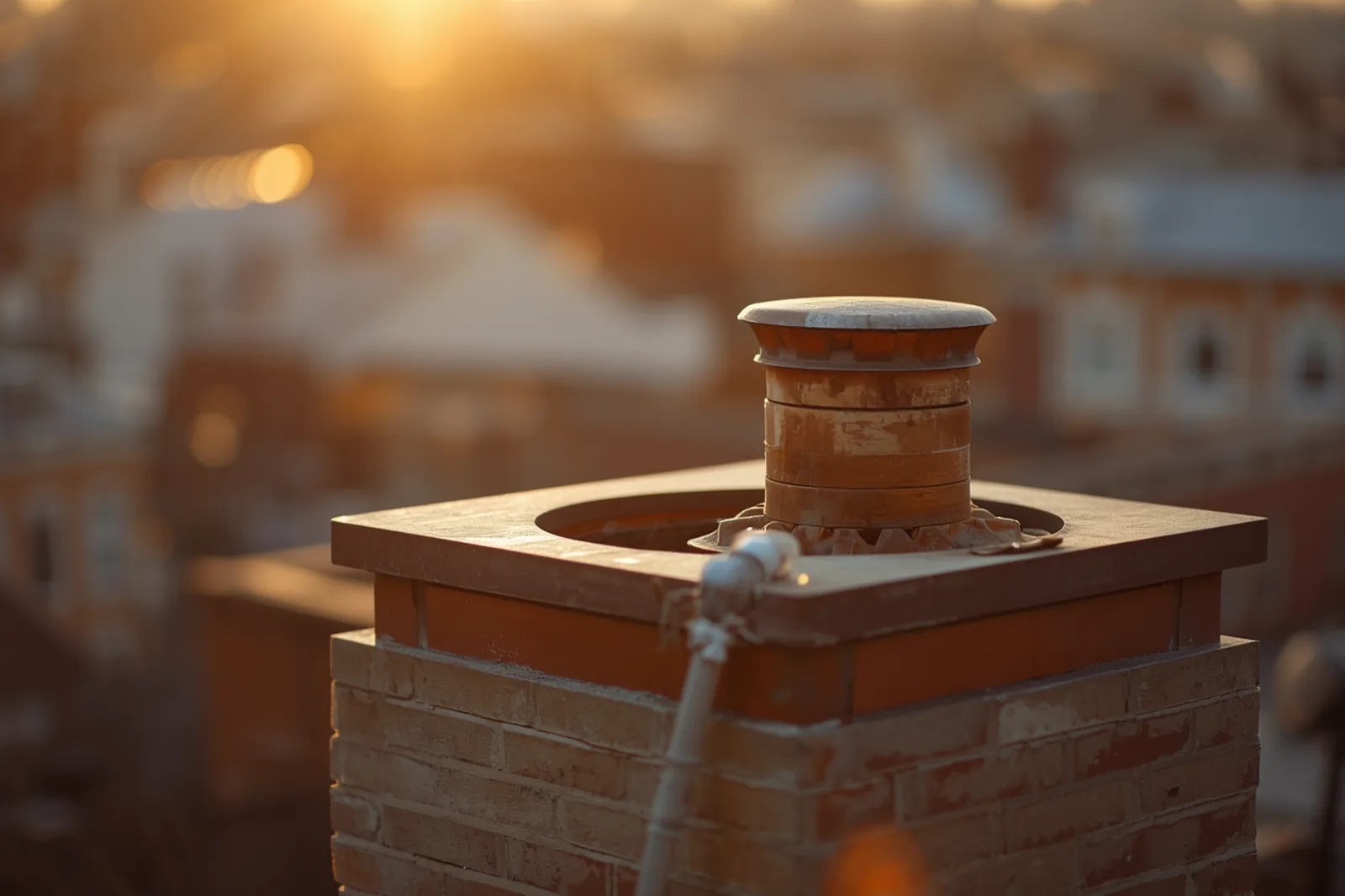
For material, our crew installs stainless steel flue liner in a grade suited to the fuel, with an insulated jacket where the flue runs up a cold exterior or party wall. Insulation keeps the liner warm and the condensate out, and it protects the old masonry from any heat the liner carries. The liner terminates in a stainless cap sized to the liner, not to the old tile, and a new top plate seals the annular space so weather cannot enter the stack around it.
How a Conversion Liner Install Runs in a Rowhouse
A chimney liner installation for a conversion is coordinated around the boiler swap and the DOB schedule, so the building is never without heat longer than necessary.
- Camera inspection and measurementsWe scan the existing flue to document tile condition, offsets and obstructions, measure the height and the internal dimensions, and confirm the flue can accept a liner of the required size with insulation.
- Sizing with the gas contractorUsing the specified boiler's input and the measured height, the liner diameter is set from the NFPA 54 tables and the manufacturer's instructions, and the connector route from the boiler is agreed.
- Flue preparationLoose tile fragments, old oil soot and fallen mortar are cleared from the flue and the base. Offsets that would snag the liner are opened or eased.
- Liner installationThe insulated stainless liner is lowered from the roof, connected at the base to the boiler connector with a tee and cleanout, and secured at the top with a plate, collar and cap.
- Inspection and documentationThe listed system is documented for the special inspection, photos of the top and base connections are provided, and the paperwork is handed to the conversion contractor for the DOB file.
The Orphaned Water Heater and Other Things the Gas Quote Leaves Out
In many Crown Heights rowhouses the old oil boiler shared its flue with a gas water heater. When the boiler is replaced, the water heater is left alone venting into a flue sized for both, which is even worse than the original problem. Its small volume of exhaust stalls in the huge flue and condenses heavily. The water heater needs its own correctly sized liner or vent, and the code bars running it in the space around the boiler liner.
The second omission is the condition of the stack above the roof. A conversion is the right moment to fix a cracked crown or open joints, because the liner install already has a crew on the roof and the stack open at the top. Leaving a cracked crown on a newly lined flue invites water down the annular space around the liner.
The third is the timeline. Buildings must keep running on oil until the DOB approval is complete, and utility connections in Brooklyn can take months after the work is done. Scheduling the liner early, rather than as the last item before the switch, keeps the chimney from being the holdup. Owners in Bedford-Stuyvesant planning a conversion for next heating season are usually best served starting the flue work this one. Our crew is happy to review your conversion scope before the gas contractor finalizes it.
Frequently Asked Questions
My chimney vented oil fine for decades. Why does gas suddenly need a liner?
Oil exhaust is hot and relatively dry, so it stays above its dew point in a large flue. Gas exhaust is cooler and loaded with water vapor, and in that same large flue it slows, cools and condenses into acidic water on the tile. The flue did not change. The exhaust did, and the liner is what makes the flue right for the new exhaust.
Can the gas contractor just reuse the existing clay tile flue?
Only if the tile is intact, correctly sized for the new appliance and acceptable under the NYC Fuel Gas Code, which is rare in a pre-war flue originally sized for coal or oil. In nearly every conversion our crew scans, the tile is oversized and the joints are eroded, so a listed stainless liner sized to the boiler is required. The camera inspection answers this before any money is spent.
What size liner does a gas boiler need?
The size comes from the boiler's BTU input, the flue height and the venting tables in NFPA 54, along with the manufacturer's installation instructions. It is nearly always much smaller than the old flue, because the exhaust needs to stay fast and warm. We size the liner with the gas contractor from the exact boiler model, not from a guess.
Does the liner need to be insulated?
In a flue running up a cold exterior or party wall, which describes most rowhouse stacks, we recommend it. Insulation keeps the exhaust above its dew point for the full run, protects the old masonry, and reduces condensation inside the liner. It also makes the liner perform consistently in the coldest weeks of the heating season when the boiler runs longest.
Who files the chimney work with the Department of Buildings?
The conversion is filed as permitted work by the licensed contractor handling the gas piping and boiler, and the chimney liner is documented within that scope with a special inspection confirming clearances. Our crew provides the listed liner documentation and photos for the file. Ask your conversion contractor early who is responsible for the chimney, so it does not fall through the gap.