
Chimney Sweep and Masonry in Prospect Heights
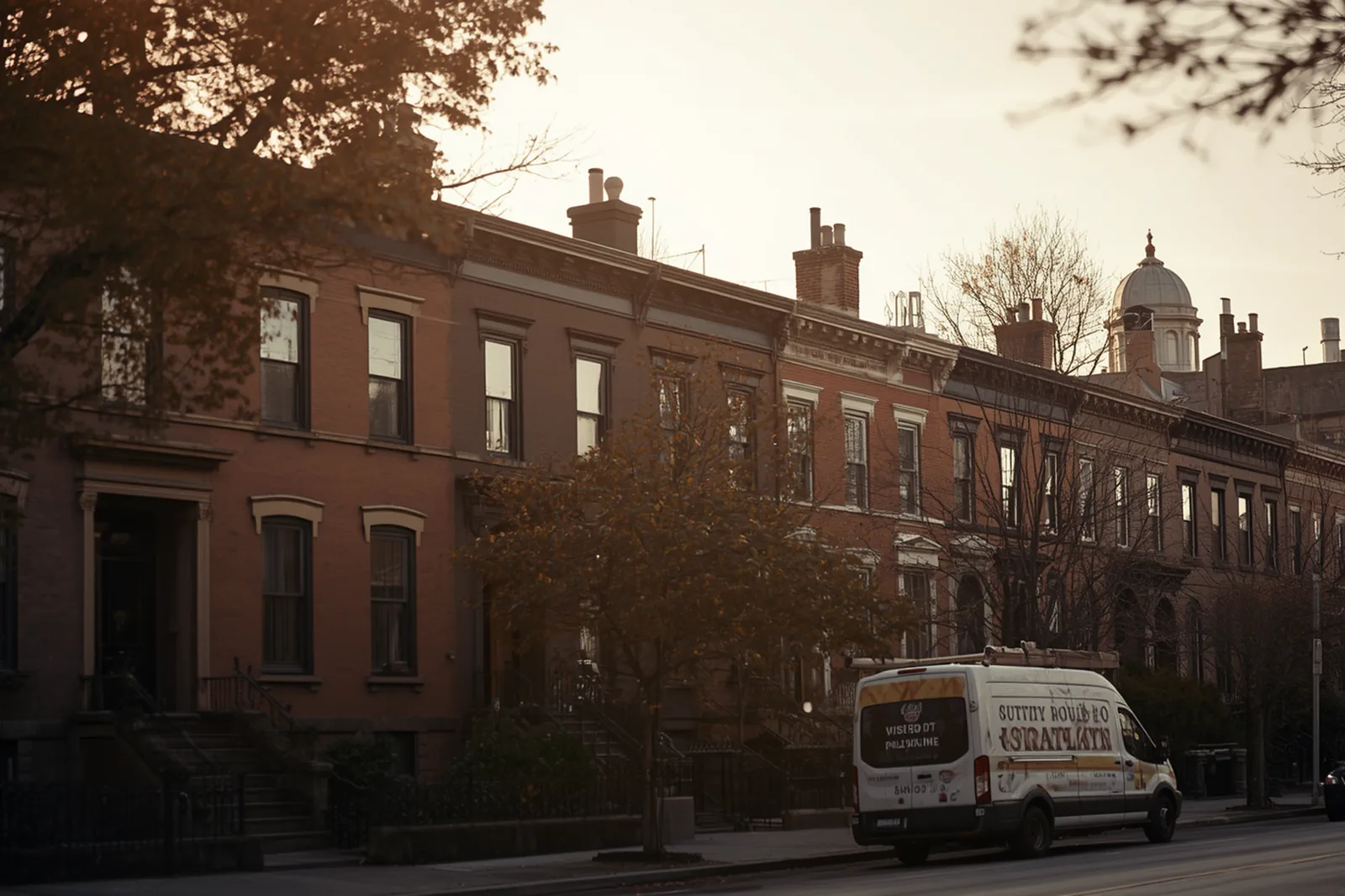
Four-story brownstones carry old multi-flue stacks that deserve careful hands. Our crew comes over from Crown Heights for sweeps, inspections, liners and brick repair.
How often should a Prospect Heights brownstone chimney be inspected?
Once a year, before heating season, and any time the house changes hands. A four-story brownstone usually has several flues sharing one stack, and the one venting your boiler works all winter whether or not you light a fireplace. An annual Level 1 inspection catches cracked flue tiles, blocked flues and crown damage early. Before a sale, a camera-based Level 2 inspection is the right call.
What Prospect Heights Chimneys Are Made Of
Most of the housing stock here is the four-story brownstone with a flat roof and an original cornice out front. Those houses were built with a fireplace on nearly every floor, and each fireplace got its own flue, so one stack on the party wall can hold three or four separate passages. Many of those passages were built as bare brick with no clay tile at all, which was normal for the period.
Over a century of coal, then oil, then gas has left those flues in very different conditions. The boiler flue takes the hardest use and shows it first: crumbling mortar joints between the brick, white efflorescence bleeding through the stack above the roof, and a crown that has split from freeze-thaw. Flat roofs add their own problem, because ponding water after a summer storm sits against the base of the stack and finds any gap in the flashing.
The newer condo buildings along Atlantic Avenue near Barclays are a different animal. They rarely have a masonry chimney at all. Our work in those buildings is mostly dryer vent cleaning and inspecting metal appliance vents, and we tell owners up front when there is nothing for a sweep to do.
Chimney Services That Matter Most in Prospect Heights
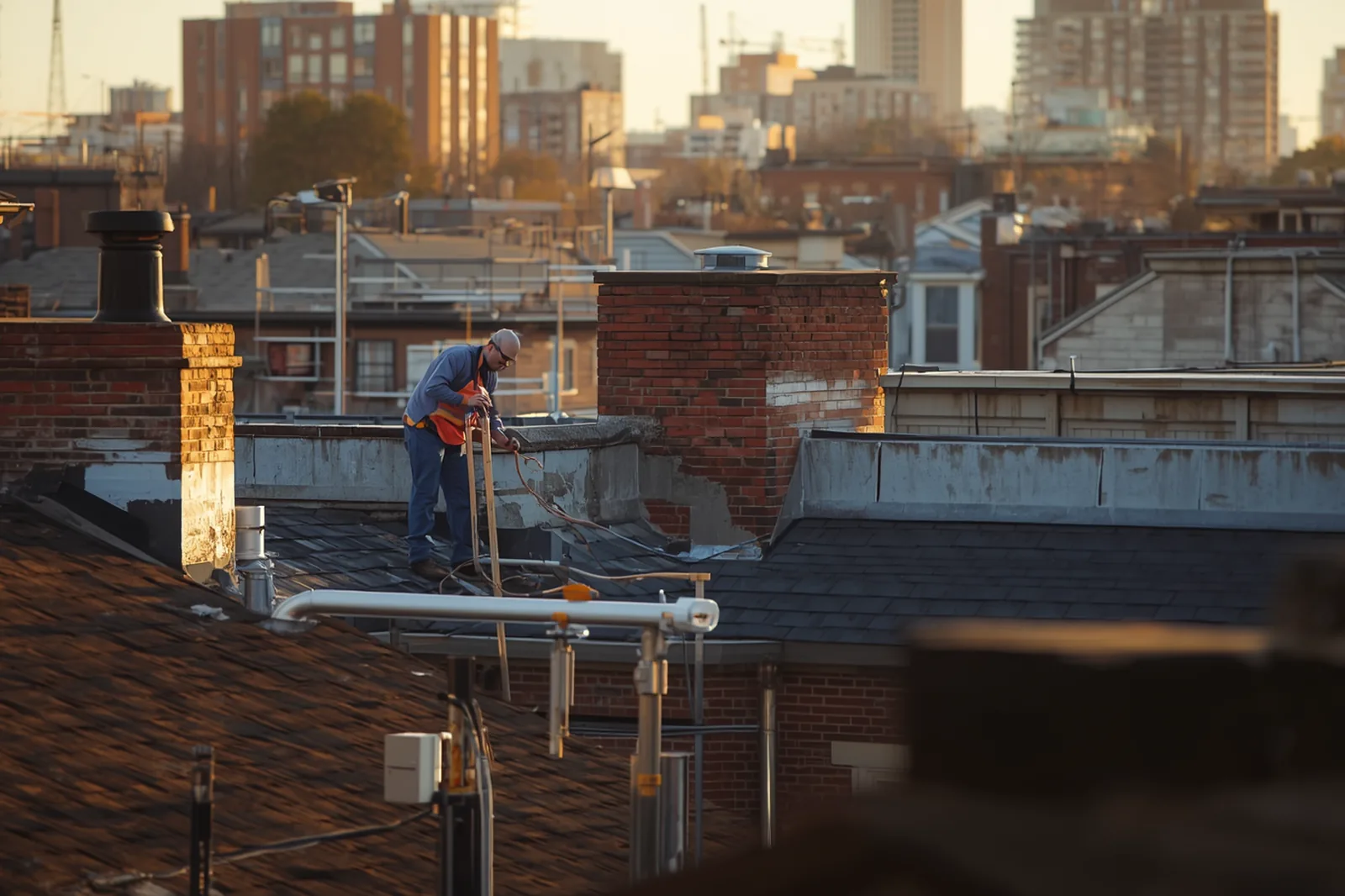
Brownstones here change hands often and get renovated to a high standard, so the two calls we take most in Prospect Heights are the Level 2 inspection before a sale and the liner install that follows it. A camera run down each flue is the only honest way to know whether a sealed fireplace can be reopened or whether a bare brick flue can safely vent a new gas boiler.
Above the roof, the work is about matching what the original masons did. We repoint with Type N mortar rather than a hard modern mix that would crack the softer brick, and we recast crowns in place with a proper overhang instead of smearing on another mortar wash.
- Level 2 camera inspections for purchases, sales and insurance questions
- Stainless steel flue liners sized to the boiler or fireplace they serve
- Tuckpointing and brick replacement with reclaimed brick that matches the stack
- Cast-in-place crowns and copper flashing where the stack meets the roof
- Sweeps and creosote removal for the wood-burning fireplaces still in use
Chimney Leak Repair
Water near a fireplace has four possible sources, and sealing the wrong one wastes money. We trace the actual path on Crown Heights rowhouses and pre-war buildings, then fix that path with the right material.
Learn more →Chimney Crown Repair
The crown is the slab that seals the top of the chimney around the flues, and on most Crown Heights stacks it is a thin mortar wash that cracked years ago. We rebuild crowns as reinforced cast-in-place slabs with an overhang and drip edge, so water sheds away from the brick.
Learn more →Chimney Tuckpointing
Mortar joints are the sacrificial part of a chimney: they are meant to wear before the brick does. We grind out failed joints on Crown Heights stacks and repoint them in a lime-rich Type N mortar that matches the original in strength and color.
Learn more →Chimney Flashing Repair
Flashing is the metal that bridges the chimney and the roof, and it fails quietly under layers of tar. We cut out the old work, install new base flashing in copper or aluminum, and let counter-flashing into the brick joints so the seal does not depend on caulk.
Learn more →Chimney Sweep
A proper sweep removes soot and creosote from the firebox to the flue cap and ends with a camera look at what is left behind. Our crew works Crown Heights rowhouses, pre-war co-ops and frame houses with the same drop-cloth discipline.
Learn more →Chimney Inspection
Buying a rowhouse, converting a boiler, or just unsure what is behind the firebox? We run NFPA 211 Level 1 and Level 2 inspections with a flue camera and give you a written report you can hand to a buyer, a co-op board or an insurer.
Learn more →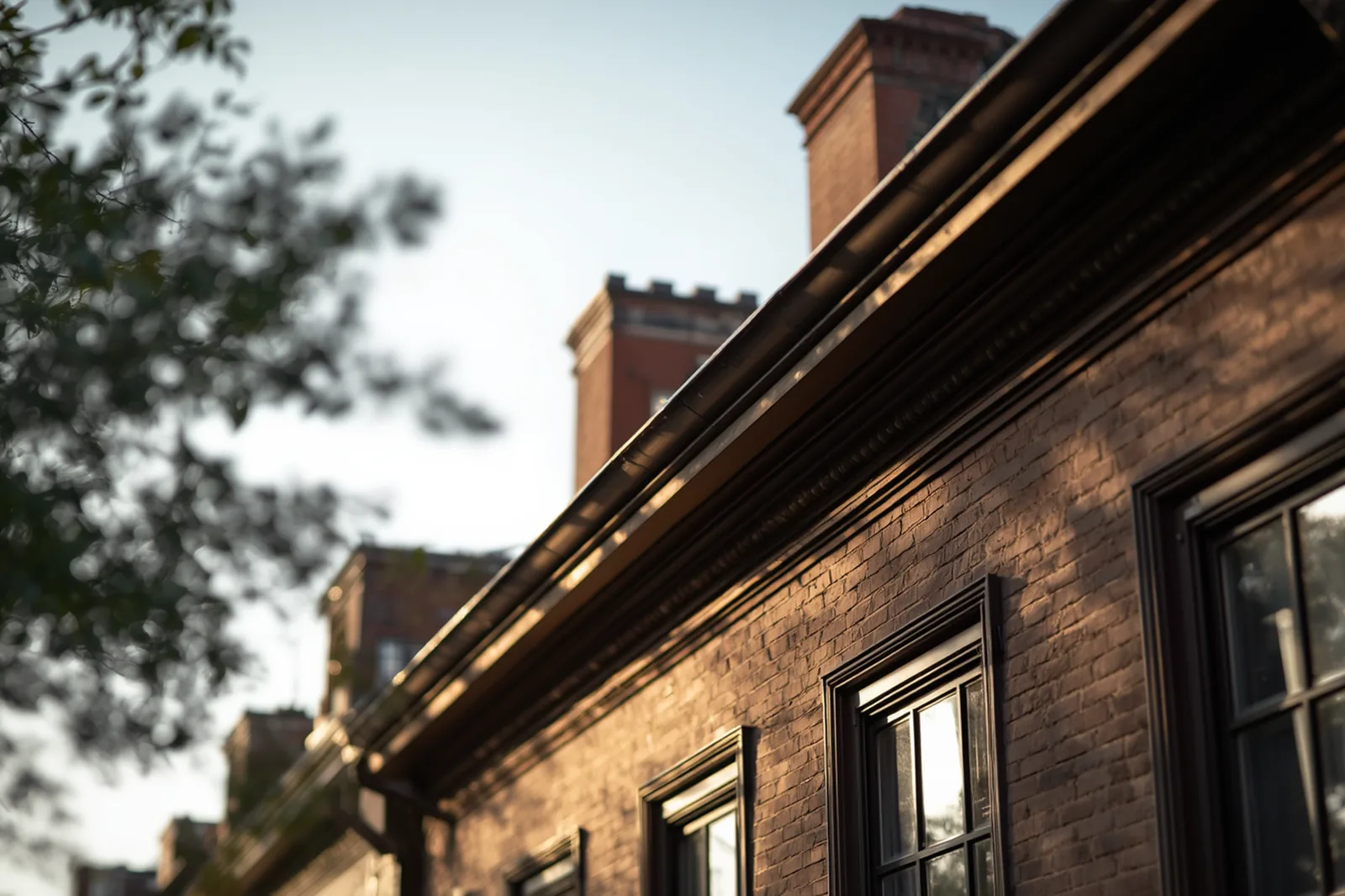
Representative Work in Prospect Heights
- Project type
- Level 2 inspection before a sale
- Area
- Four-story brownstone, Prospect Heights
- Problem
- A buyer's engineer flagged a chimney stack with efflorescence and asked for a chimney report before closing. The seller believed the three fireplaces were decorative and the only live flue served the boiler, but nobody had looked inside in decades.
- Solution
- We ran a camera through every flue from the roof down. Two fireplace flues had cracked clay flue tile and were documented as unsafe to use without a liner, the boiler flue was bare brick with open joints, and the crown had a through-crack. The report gave both sides a clear scope: a stainless steel flue liner for the boiler flue, tuckpointing with Type N mortar above the roofline, and a recast crown. The sale closed with the repair priced into the deal rather than argued over later.
- Materials
Getting to Prospect Heights from Crown Heights
Prospect Heights sits directly west of Crown Heights, so for us this is a short ride along Eastern Parkway rather than a trip across the borough. The same crew that handles the limestone rows and Eastern Parkway apartment buildings in Crown Heights covers your block, and same-week appointments are the norm during most of the year.
From here we also reach Clinton Hill and Bedford-Stuyvesant to the north, and Flatbush, East Flatbush and Brownsville to the south and east. If you own in more than one of these neighborhoods, one visit can usually cover both properties.
Part of our Areas We Serve Around Crown Heights service area.
Frequently Asked Questions
Can I reopen a sealed fireplace in my Prospect Heights brownstone?
Often yes, but only after a camera inspection of that specific flue. Sealed fireplaces in these houses were usually built for coal, with small fireboxes and flues that may be bare brick or share space with another flue. If the passage is intact and separate, a stainless steel flue liner and a damper make it usable for wood or gas logs. If the flue is shared or badly broken, we will tell you plainly and give you the options.
My boiler was converted from oil to gas. Does the chimney still need attention?
It needs more attention, not less. Gas exhaust is cooler and wetter than oil exhaust, and in an oversized bare brick flue it condenses on the walls. That moisture is acidic and eats mortar joints from the inside, which shows up later as spalling brick and efflorescence above the roof. A correctly sized stainless steel flue liner solves it, and most conversions should have included one.
How long does a chimney sweep take in a four-story house?
Plan on a couple of hours for a single working flue, longer if we are sweeping more than one. We set up drop cloths and a HEPA vacuum at the fireplace, work the brushes from above or below depending on access, and finish with a visual check of the firebox, damper and smoke chamber. We leave the room as clean as we found it.
Do you work on the condo buildings near Barclays?
Yes, mostly for dryer vent cleaning and vent inspections. Most new construction along Atlantic Avenue has no masonry chimney, so there is nothing for a sweep to brush. Long dryer runs in those buildings do clog, and that is a real fire risk we clear regularly. If you call about a chimney and we find a metal appliance vent instead, we will say so.
What is the difference between a Level 1 and Level 2 chimney inspection?
A Level 1 inspection is the annual visual check of the accessible parts of the chimney and the connected appliance. A Level 2 inspection adds a camera scan of the full flue interior and a look at accessible attic, crawl and roof areas. Level 2 is the standard for a property sale, after a chimney fire, or after any change to the appliance that vents through the flue.
Will repointing the stack match the original brownstone?
The stack above the roof is almost always common brick rather than brownstone, and matching it is about color, size and mortar. We source reclaimed brick that matches the existing units and use a Type N mortar tooled to the original joint profile. A hard modern mortar on soft old brick causes the brick faces to spall within a few winters, so the softer mix is a durability choice, not just a cosmetic one.
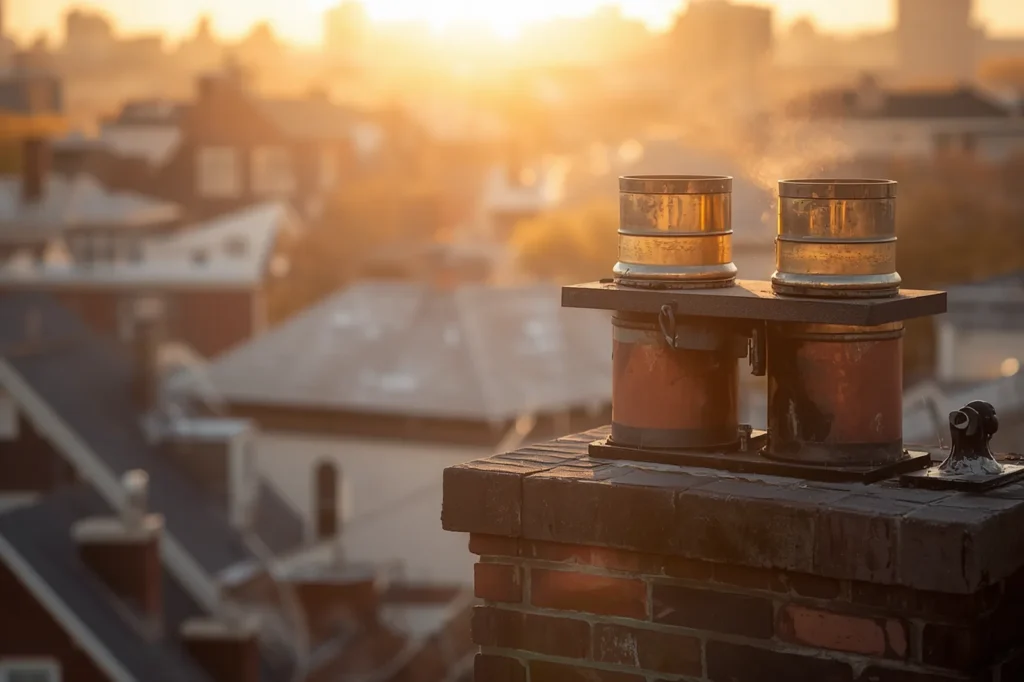
Book a Prospect Heights Chimney Visit
Call Crown Heights Chimney Sweep at (347) 555-0188 or send the form for a sweep, inspection or masonry estimate. We schedule same-week whenever we can, Monday through Saturday.